Understanding the Role of Power Cord Manufacturers
Power cords are integral components of modern electrical appliances, playing a crucial role in the seamless provision of power. As more devices enter the market, the demand for high-quality power cords is set to increase. This creates a significant opportunity for Power cord manufacturer to establish their importance in the electronic supply chain. A reliable power cord manufacturer ensures that products not only meet safety standards but also provide durability and efficiency across various applications.
What Defines a Reliable Power Cord Manufacturer?
A reliable power cord manufacturer is characterized by several key attributes, including strong industry experience, adherence to safety standards, and a commitment to quality. These manufacturers typically possess the necessary certifications, such as UL and CQC, which indicate compliance with rigorous safety protocols. Furthermore, they often have a robust supply chain network that guarantees timely delivery without compromising quality.
Key Certifications for Power Cord Manufacturers
Certifications are vital for power cord manufacturers as they not only ensure compliance with international safety standards but also enhance consumer trust. Key certifications include:
- UL Certification: Indicates that the product has been tested for safety and performance.
- CE Marking: Required for products sold within the European Economic Area, indicating compliance with health, safety, and environmental protection standards.
- RoHS Compliance: Ensures that the product does not contain hazardous substances.
- ISO Certification: Reflects a manufacturer’s commitment to quality management systems.
All these certifications lend credibility to a manufacturer and help customers make informed choices.
Common Challenges Faced by Power Cord Manufacturers
The path to producing high-quality power cords is often laden with challenges. Manufacturers in this sector must navigate a complex landscape of regulations, market demands, and supply chain issues. Below are common challenges that they face:
Meeting International Standards and Regulations
Power cord manufacturers must stay abreast of changing international standards to ensure compliance. Each region may have specific regulations governing electrical safety and environmental impact, making it critical for manufacturers to be adaptable and well-informed.
Navigating Supply Chain Disruptions
Global supply chains are susceptible to disruptions due to various factors, including political unrest, natural disasters, and the recent challenges posed by the COVID-19 pandemic. Manufacturers must implement strategies such as diversifying suppliers or increasing stock levels to mitigate these risks.
Addressing Consumer Demand for Customization
Today’s consumers expect products tailored to their specific needs. Power cord manufacturers must be equipped to offer customization options, which often involves complex logistics and additional resources. Failing to meet these demands can lead to lost revenue and market share.
Advanced Manufacturing Techniques in Power Cord Production
As the industry evolves, manufacturers are increasingly adopting advanced techniques to enhance efficiency and reduce costs. Here are some notable practices:
Automation and Robotics in Cable Manufacturing
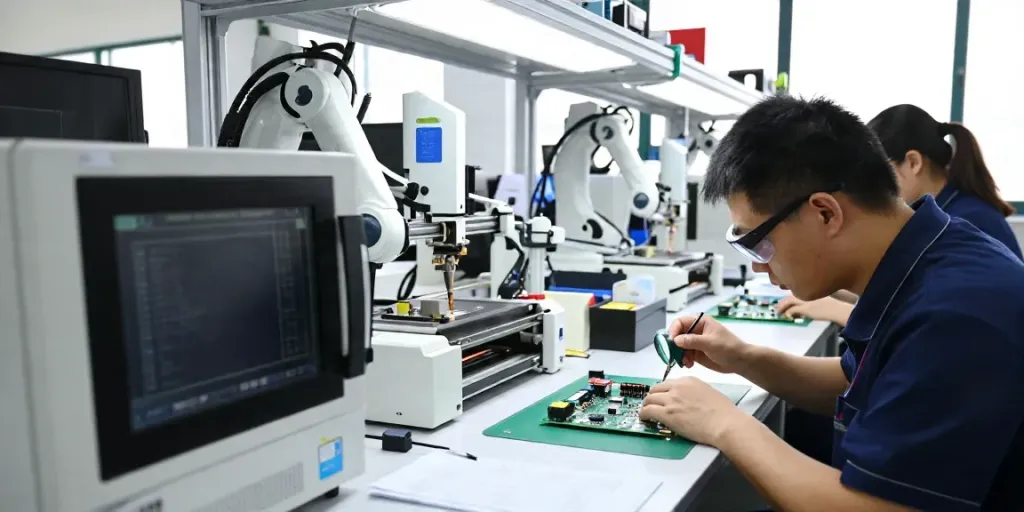
Automation plays a pivotal role in modern manufacturing. By utilizing robotics, manufacturers can reduce labor costs, improve precision, and enhance production speed. Automated systems can perform repetitive tasks with higher accuracy than manual labor, leading to fewer errors and higher quality products.
Best Practices for Material Selection
Choosing the right materials is crucial for producing durable power cords. Manufacturers often select materials based on factors such as electrical conductivity, heat resistance, and flexibility. Using high-quality PVC, rubber, or TPE can greatly impact the performance and lifespan of the cords.
Innovations in Power Cord Design
Design innovations are increasingly vital as technology advances. Manufacturers are finding new ways to improve the ergonomics, safety, and functionality of power cords. This may include features like retractable designs, better strain relief, or integrated safety mechanisms.
Strategies for Choosing the Right Power Cord Manufacturer
Choosing the right manufacturer is critical for businesses seeking to source power cords. Here are effective strategies for making an informed decision:
Evaluating Manufacturer Reputation and Experience
Researching the reputation and history of a manufacturer can provide insights into their reliability. Companies with a long-standing track record in the industry typically have proven processes and a robust quality control system in place.
Understanding Customization Options Available
Customization is a key demand from many sectors, including consumer electronics and industrial applications. Manufacturers that offer flexible options and can adapt to unique requirements will stand out in the competitive landscape.
Assessing Cost vs. Quality in Power Cord Procurement
Cost considerations are fundamental when sourcing power cords. However, it’s essential to balance cost with quality. Opting for the cheapest option may lead to lower quality products that could affect performance and safety in the long run. Analyzing the total cost of ownership is a smart approach.
Future Trends in the Power Cord Manufacturing Industry
As we move through 2026, various trends are emerging that will shape the future of power cord manufacturing:
Impact of Electric Vehicles on Power Cord Demand
The rise of electric vehicles (EVs) is creating significant demand for specialized power cords. EV manufacturers require high-quality charging cables to ensure safety and efficiency. This trend is expected to grow as more consumers shift towards electric mobility.
Sustainability Initiatives in Manufacturing Practices
Sustainability is becoming a critical focus for manufacturers across all industries. Efforts to reduce waste and utilize recycled materials in production are being prioritized. Power cord manufacturers are now exploring eco-friendly materials and sustainable production practices to meet consumer expectations.
Emerging Technologies Shaping Power Cord Production
Technological advancements, such as the Internet of Things (IoT) and smart manufacturing, are reshaping the landscape of power cord production. These technologies facilitate real-time monitoring of manufacturing processes, improving efficiency and reducing errors.
What are the top power cord manufacturers in the USA?
In the United States, several leading manufacturers have established themselves as top players in the power cord market. Companies like Volex Group and American Power Cord Corporation are known for their high-quality products and innovative solutions.
How can power cords be customized for specific applications?
Customization can involve altering cable specifications such as length, gauge, and connector types to meet unique application requirements. Manufacturers often work closely with clients to ensure their specific needs are addressed during the design process.
What certifications should a quality power cord have?
Quality power cords typically hold certifications such as UL, CE, and RoHS. These certifications ensure that the products meet safety and environmental standards necessary for various applications.
Why is quality control important for power cord manufacturers?
Quality control is essential to ensure that power cords function correctly and safely. Manufacturers implement rigorous testing protocols at various stages of production to identify defects and ensure compliance with standards.
How do trends in electric vehicles affect power cord manufacturing?
The increase in electric vehicle production has necessitated advancements in power cord technology, specifically for charging solutions. Manufacturers must adapt to new specifications and safety requirements to support EV infrastructure.