Understanding Full Turnkey PCB Assembly
As the demand for compact and efficient electronic devices continues to soar, the importance of streamlined manufacturing processes has never been more critical. Full turnkey PCB assembly is a comprehensive solution that offers manufacturers a way to optimize their supply chains and accelerate production timelines. This approach encompasses all stages of PCB creation, from design and manufacturing to component sourcing and final assembly, effectively minimizing the burden on companies that require fast and reliable production. When exploring options, full turnkey PCB assembly providers can simplify complex operations and reduce the time-to-market for products.
What is Full Turnkey PCB Assembly?
Full turnkey PCB assembly refers to a complete and seamless approach where a single supplier manages the entire assembly process of printed circuit boards (PCBs). This service model integrates several critical components, including:
- Design Services: Tailoring PCB designs to meet specific operational requirements.
- Material Procurement: Sourcing all necessary components, such as resistors, capacitors, and microcontrollers.
- Manufacturing: Fabricating the PCBs using advanced techniques such as Surface Mount Technology (SMT) and Through-Hole Technology (THT).
- Assembly: Combining the manufactured boards with sourced components into a complete product.
- Testing: Ensuring each PCB meets quality assurance standards through rigorous testing procedures.
- Logistics and Delivery: Managing the shipping and delivery of the final product to the client.
Benefits of Full Turnkey Solutions
Opting for full turnkey solutions brings several substantial benefits to manufacturers:
- Cost Efficiency: Reduces overall production costs by minimizing the need for multiple suppliers, thereby cutting administrative overhead and logistics expenses.
- Time Savings: Streamlines the production process, significantly decreasing the time from design to market.
- Simplified Communication: With a single point of contact, communication becomes more straightforward, which reduces the chances of miscommunication and errors.
- Quality Control: Ensures that quality standards are upheld throughout every stage of production, as one entity is responsible for all components of the process.
- Flexibility: Providers often offer scalability, allowing companies to effectively manage varying production demands.
Components of the Assembly Process
The assembly process in full turnkey PCB assembly is multifaceted, involving various stages that ensure the delivery of high-quality products:
- Design Validation: Initial designs are rigorously evaluated to ensure they meet all functional requirements before moving forward.
- Sourcing Components: Trusted vendors are identified to supply necessary components, ensuring quality and reliability.
- Fabrication: Advanced equipment is used to manufacture the PCB according to the validated designs.
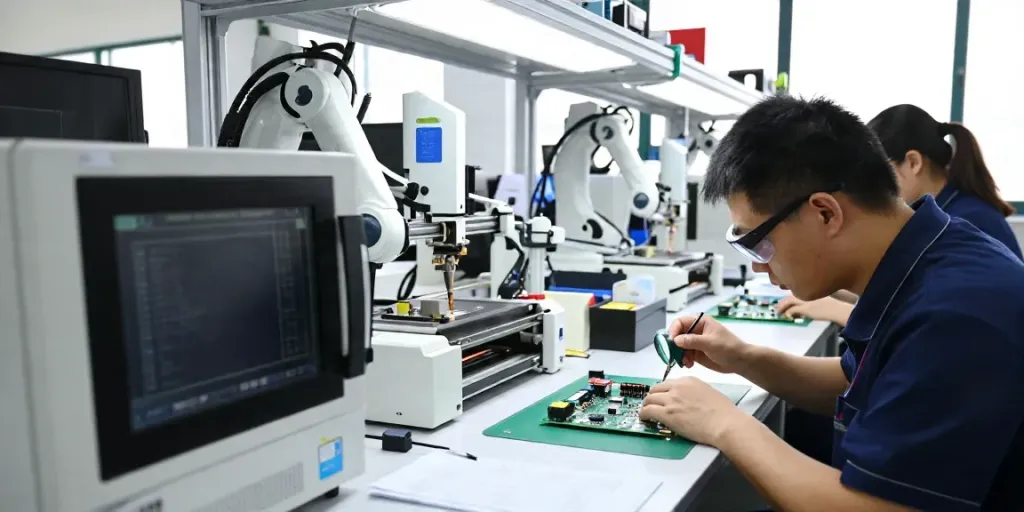
- Assembly: Component placement is executed with precision, followed by soldering and assembly into completed systems.
- Testing and Inspection: Products undergo extensive testing to identify defects and ensure compliance with industry standards.
- Final Packaging and Shipping: The final products are securely packaged and shipped to clients, ready for market deployment.
Choosing the Right Full Turnkey PCB Assembly Partner
With numerous options available in the market, selecting the right partner for full turnkey PCB assembly can be daunting. It's essential to evaluate potential partners thoroughly to ensure they can meet your specific needs.
Evaluating Manufacturing Capabilities
When assessing manufacturing capabilities, consider the following:
- Technology and Equipment: What type of machinery and technology does the provider use? Are they up-to-date with the latest manufacturing techniques?
- Production Capacity: Can they scale production to meet your demands, both for prototypes and large-scale manufacturing?
- Experience: How long has the company been in the PCB assembly business? Experience often translates into reliability and expertise.
Key Questions to Ask Potential Partners
To narrow down your options, ask potential partners these crucial questions:
- What is your typical lead time for full turnkey PCB assembly?
- Can you provide references or case studies demonstrating past successes?
- How do you ensure quality assurance throughout the manufacturing process?
- What certifications do you hold that validate your manufacturing processes?
Importance of Certifications and Standards
Choosing a partner with relevant industry certifications is critical. Certifications such as ISO 9001 and IPC standards indicate a commitment to quality management and industry best practices. These certifications not only improve the reliability of the assembly process but also enhance the confidence of clients in the final products.
Common Challenges in Full Turnkey PCB Assembly
Even with a well-structured process, challenges can arise in full turnkey PCB assembly. Understanding these challenges is crucial for effective management.
Addressing Supply Chain Issues
Supply chain disruptions can significantly impact production timelines. Building relationships with multiple suppliers can mitigate risks associated with sourcing components, ensuring availability even during shortages.
Managing Quality Assurance
Quality assurance is paramount in PCB assembly. Implementing stringent testing protocols and regular audits can help maintain high standards, reducing the likelihood of defects in final products.
Overcoming Design Limitations
Design limitations can affect manufacturability. Engaging in collaborative design reviews with manufacturing partners early in the process can help identify potential design challenges and lead to more cost-effective solutions.
Implementing Best Practices for Turnkey PCB Projects
Implementing best practices can significantly enhance the success of your full turnkey PCB projects. Here are some strategies to consider:
Streamlining Communication with Your Partner
Establish a clear communication plan that outlines how and when updates will be provided. Regular check-ins can help catch potential issues early and maintain project momentum.
Utilizing Prototyping and Testing Effectively
Invest in prototyping and rigorous testing phases. Early detection of design flaws can save time and costs associated with later-stage production adjustments.
Integrating Technologies for Efficiency
Utilize software tools for project management and tracking. Technologies such as Manufacturing Execution Systems (MES) can enhance visibility across the production process, improving overall efficiency.
Future Trends in Full Turnkey PCB Assembly for 2026
The PCB assembly landscape is continuously evolving. Staying informed about upcoming trends is essential for maintaining a competitive edge.
Emerging Technologies in PCB Manufacturing
Technological advancements such as automation and Artificial Intelligence (AI) are set to revolutionize the manufacturing process. These innovations can help reduce human errors and improve production speeds.
Sustainability Practices in Electronics Assembly
As sustainability becomes more critical, companies are increasingly focusing on eco-friendly manufacturing practices. This includes using recyclable materials and reducing waste throughout the production cycle.
Predicted Market Changes and Adjustments
The market is likely to see shifts towards localized production as companies aim to shorten supply chains and reduce dependency on international suppliers. This trend may lead to increased investment in domestic manufacturing capabilities.
What is the difference between full and partial turnkey PCB assembly?
Full turnkey solutions manage every aspect of PCB assembly, while partial turnkey services may only cover some components, leaving others for the client to source or manage independently.
How can full turnkey PCB assembly reduce my production costs?
By consolidating services under one supplier, companies can reduce administrative costs, streamline procurement, and minimize delays, leading to overall savings in the production process.
What factors should I consider when selecting a PCB assembly service?
Key considerations should include the provider's experience, production capabilities, quality assurance measures, and their ability to meet your specific needs.
What is the typical lead time for full turnkey PCB assembly?
Lead times can vary widely based on complexity and volume; however, a typical range is between 2 to 6 weeks, depending on the provider and order specifications.
How does quality assurance work in full turnkey PCB assembly?
Quality assurance in full turnkey assembly typically includes rigorous testing phases, regular inspections, and adherence to industry standards, ensuring that every product meets established quality benchmarks.