Understanding Reclaimed Water Systems
In the face of growing water scarcity and the urgent need for sustainable practices, reclaimed water systems offer a transformative approach to water management. These systems provide a means to efficiently recycle wastewater, turning effluent that could otherwise harm the environment into valuable resources. As more industries and municipalities seek ways to meet their water needs sustainably, understanding the benefits, technologies, and applications of reclaimed water systems becomes increasingly important.
What are Reclaimed Water Systems?
Reclaimed water systems are specially designed infrastructures that treat wastewater—such as municipal sewage or industrial effluent—to a quality suitable for reuse. This process involves multiple treatment stages, ensuring contaminants are removed, and the resulting water is safe for various applications. By implementing these systems, facilities can significantly reduce their reliance on freshwater sources, thereby contributing to water conservation efforts while also cutting costs associated with water procurement and treatment.
Key Benefits of Reclaimed Water
- Resource Conservation: Reclaimed water systems help conserve freshwater resources, particularly in regions experiencing drought or high water demand.
- Cost Efficiency: Utilizing reclaimed water can reduce costs associated with water supply and wastewater treatment, benefiting both municipalities and industries.
- Environmental Protection: By recycling wastewater, these systems decrease the volume of effluent discharged into natural water bodies, mitigating pollution and ecosystem damage.
- Regulatory Compliance: With increasing regulations on water usage and wastewater discharge, reclaimed water systems help organizations comply with environmental standards.
How Reclaimed Water Systems Work
The operation of reclaimed water systems involves several key processes that ensure wastewater is treated effectively. Typically, these systems use a combination of physical, chemical, and biological treatment methods. The process often begins with preliminary treatment to remove large solids, followed by biological treatment processes that break down organic materials. Finally, advanced purification techniques, such as membrane bioreactors (MBR) and reverse osmosis (RO), are employed to ensure the water meets safety standards before being reused.
Advanced Technologies in Reclaimed Water Systems
Membrane Bioreactor (MBR) Technology
Membrane bioreactor technology combines biological treatment and membrane filtration, creating a highly efficient method for treating wastewater. In MBR systems, microorganisms break down organic pollutants while membranes remove suspended solids and pathogens. This dual-action process results in high-quality effluent that can be reused for irrigation, industrial processes, and even potable water applications. MBRs are particularly suited for urban areas where space is limited, allowing for compact, modular installations.
Ultrafiltration (UF) and Reverse Osmosis (RO)
Ultrafiltration and reverse osmosis are advanced filtration methods that are crucial in the final stages of wastewater treatment. UF removes larger particles and microorganisms, while RO effectively eliminates dissolved salts and smaller contaminants. By integrating these technologies into reclaimed water systems, facilities can produce water that meets stringent health and safety criteria, suitable for various applications such as landscape irrigation and industrial cooling systems.
Integration of IoT in Water Systems
The Internet of Things (IoT) is revolutionizing water management processes by enabling real-time monitoring and data collection. Smart sensors can track water quality, flow rates, and system performance, providing operators with insights that enhance efficiency and maintenance. IoT integration facilitates proactive decision-making, ensuring that reclaimed water systems operate optimally and adhere to regulatory standards.
Applications and Use Cases
Municipal Applications of Reclaimed Water
Cities are increasingly adopting reclaimed water systems for a variety of municipal applications. Common uses include irrigation of parks and golf courses, dust suppression on unpaved roads, and toilet flushing in public facilities. By using reclaimed water in these non-potable applications, municipalities conserve valuable freshwater supplies and reduce operational costs.
Industrial Use of Reclaimed Water Systems
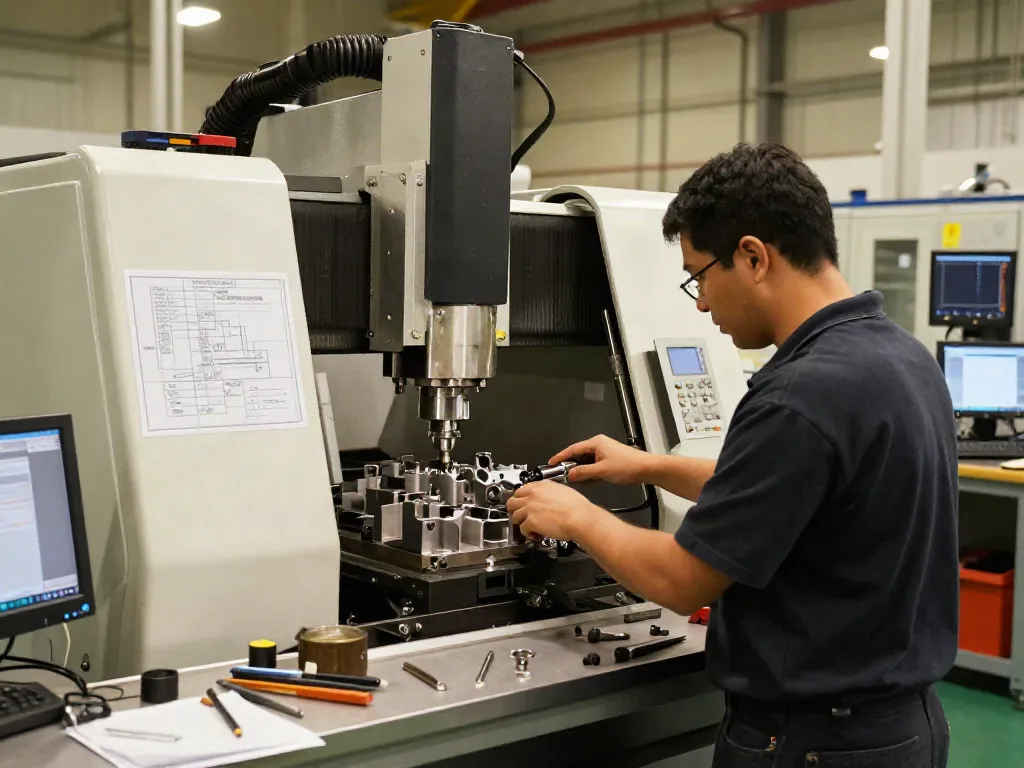
Industries, particularly those in sectors such as manufacturing, food processing, and construction, benefit significantly from reclaimed water systems. They utilize treated wastewater for processes like cooling, washing, and even in production lines, contributing to significant cost savings and sustainability goals. For instance, many manufacturing plants are now sourcing reclaimed water to reduce their impact on local water supplies and improve their green credentials.
Decentralized Water Reuse Solutions
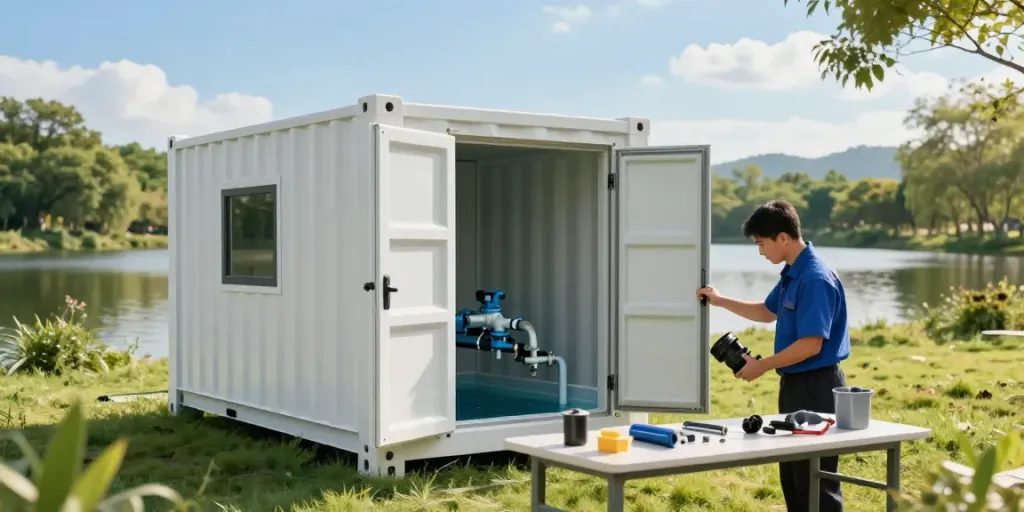
Decentralized reclaimed water systems are ideal for remote locations or communities lacking robust infrastructure. These systems provide a practical solution for water reuse in agricultural applications, small-scale industries, and even residential areas. With modular designs that can be tailored to specific needs, decentralized systems enhance water security and empower local communities to manage their water resources effectively.
Challenges and Misconceptions
Common Misconceptions About Reclaimed Water Safety
Despite the proven effectiveness of reclaimed water systems, misconceptions about safety and usability persist. Many people erroneously believe that reclaimed water is unsanitary or unsafe. In reality, advanced treatment processes ensure that reclaimed water meets or exceeds health guidelines, making it safe for many uses. Public education and awareness campaigns are essential to dispel these myths and promote acceptance of reclaimed water.
Regulatory Challenges in Water Reuse
Navigating the regulatory landscape surrounding reclaimed water systems can be complex. Different regions have varying guidelines for treatment standards, reuse applications, and monitoring requirements. Organizations must stay informed of these regulations to ensure compliance and avoid penalties. Collaborating with local water authorities can provide clarity and help streamline the permitting process for new systems.
Technical Obstacles in Implementation
Implementing reclaimed water systems poses technical challenges, including the need for specialized equipment and infrastructure. Traditional water distribution systems may not be equipped to handle reclaimed water, necessitating upgrades or new installations. Additionally, ongoing maintenance and monitoring require skilled personnel, making it imperative to invest in training and infrastructure to support these systems effectively.
Future Trends in Reclaimed Water Systems
Innovative Designs and Engineering Approaches
The future of reclaimed water systems lies in innovation. Engineers are continually developing new designs that enhance efficiency and reduce costs. For example, integrating green infrastructure solutions, such as constructed wetlands and biofiltration systems, can improve water quality while providing aesthetic benefits to communities. These approaches not only treat wastewater effectively but also contribute to biodiversity and urban greening efforts.
Sustainability Goals for 2026
As global water scarcity issues escalate, sustainability goals for the near future are gaining prominence. By 2026, organizations are expected to adopt more ambitious water reuse targets, aligning with international sustainability objectives. This shift will necessitate comprehensive strategies to enhance water recycling capabilities, ensuring that reclaimed water systems play a vital role in fostering a sustainable future.
The Role of Community Awareness and Education
Community engagement and education on the benefits of reclaimed water systems are essential for their successful adoption. As public awareness increases, so does acceptance of reclaimed water usage in everyday applications. Initiatives such as workshops, informational campaigns, and open houses at treatment facilities can help demystify reclaimed water and emphasize its safety and advantages.
What are the advantages of using reclaimed water systems?
The advantages of reclaimed water systems are multifaceted, comprising environmental, economic, and social benefits. By reducing demand on freshwater supplies, these systems enhance water availability for essential needs while safeguarding ecosystems. Additionally, utilizing reclaimed water can lead to significant cost savings, foster community resilience to droughts, and promote sustainable practices across various sectors.
Are reclaimed water systems environmentally friendly?
Yes, reclaimed water systems are environmentally friendly. They minimize wastewater generation, reduce pollution, and promote the responsible use of water resources. By recycling water, these systems can contribute to the restoration of ecosystems, reduce the carbon footprint associated with water transport, and support sustainable agricultural practices.
How do reclaimed water systems contribute to water sustainability?
Reclaimed water systems enhance water sustainability by closing the loop on water usage. They allow communities and industries to reuse water multiple times, reducing the overall demand for freshwater and minimizing wastewater discharge. This sustainable approach aligns with broader environmental goals, helping societies adapt to climate challenges and resource limitations effectively.
What safety measures are in place for reclaimed water?
Safety measures in reclaimed water systems are rigorous and include comprehensive monitoring of water quality throughout the treatment process. Advanced disinfection methods, such as ultraviolet light treatment and chlorination, are employed to eliminate pathogens. Furthermore, regulatory frameworks ensure that reclaimed water meets health guidelines for its intended use, providing confidence in its safety for consumers and communities.
What industries benefit most from reclaimed water systems?
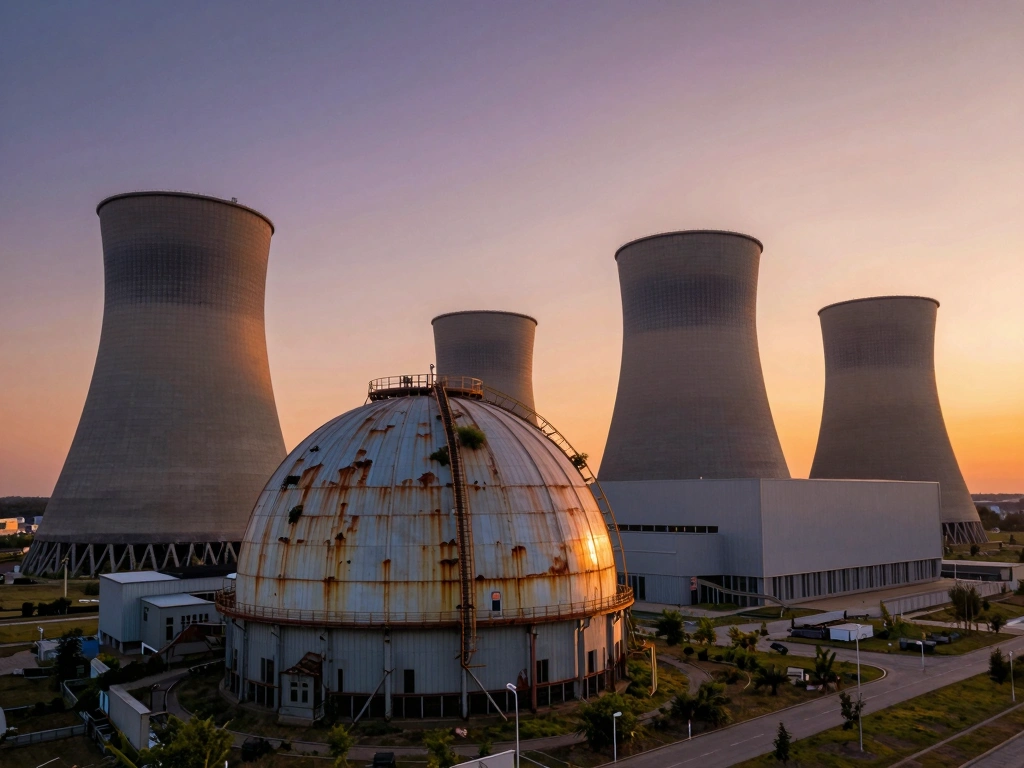
Various industries benefit from reclaimed water systems, including agriculture, manufacturing, energy production, and landscaping. Agriculture is one of the largest users, relying on reclaimed water for irrigation. The construction industry also utilizes reclaimed water for dust control and on-site activities, while power plants use it in cooling processes. These diverse applications highlight the versatility and economic benefits of implementing reclaimed water systems across sectors.