Understanding Aerospace CNC Machining
Aerospace CNC machining is essential for manufacturing high-precision parts for the aviation and aerospace industries. This process utilizes computer numerical control to automate the machining of components, ensuring that each part meets rigorous standards for quality and accuracy. As industries evolve and the demand for innovative aerospace solutions grows, companies like Honscn have established themselves as leading aerospace cnc parts manufacturers, offering a wide array of services. This article delves into the specifics of aerospace CNC machining, examining its applications, benefits, challenges, and future trends.
What is Aerospace CNC Machining?
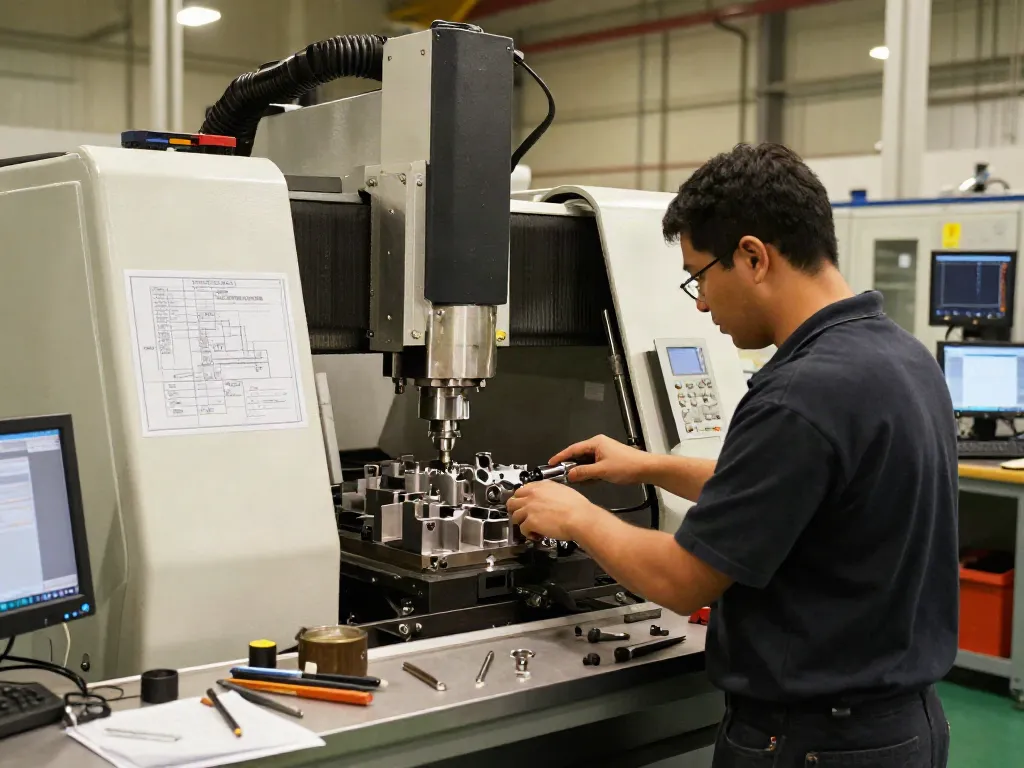
CNC (Computer Numerical Control) machining refers to a manufacturing process that utilizes computer technology to control machine tools. In the context of aerospace, CNC machining is particularly focused on the production of components that require exceptional precision due to the strict safety and performance regulations in aviation. This process can involve milling, turning, drilling, and electrical discharge machining (EDM), allowing for the creation of intricate designs that might be impossible to achieve with traditional manufacturing methods.
Benefits of CNC Machining in Aerospace
The benefits of CNC machining in aerospace applications are numerous:
- Precision and Consistency: CNC machines can produce parts to extremely tight tolerances, ensuring consistency across batches.
- Efficiency: Automated processes reduce production time, making it possible to manufacture parts rapidly without sacrificing quality.
- Flexibility: CNC machining can handle a wide variety of materials and can be adapted for different designs without significant downtime.
- Reduced Human Error: Automation minimizes the risk of errors associated with manual machining, which is crucial for safety-critical applications.
Common Applications of CNC Machined Parts
Aerospace CNC machined parts play pivotal roles in various sectors within the industry, including:
- Aircraft Structures: Including fuselage components and wing structures that require high strength-to-weight ratios.
- Engine Components: Parts such as turbine blades, housings, and combustion chambers, which must withstand extreme conditions.
- Landing Gear: Critical for safety, landing gear components must be manufactured to the highest precision standards.
- Avionics and Electrical Components: Components that facilitate aircraft navigation and communication systems.
Top Leading Aerospace CNC Parts Manufacturers
Criteria for Ranking Leading Manufacturers
Determining the best aerospace CNC parts manufacturers involves evaluating several key criteria, including:
- Quality Standards: Compliance with industry standards such as AS9100 and ISO9001.
- Technology and Equipment: Use of advanced machining technologies, including 5-axis CNC machines.
- Material Capability: Ability to work with a wide range of materials, including metals and advanced composites.
- Customer Feedback: Reviews and testimonials from past clients provide insights into reliability and service quality.
Profiles of Market Leaders in 2026
As of 2026, several companies stand out as leaders in aerospace CNC machining. These include:
- Honscn: Recognized for precision parts development and on-demand production, Honscn has been a trusted partner since 2003.
- Owens Industries: Known for their high-quality components for aerospace applications, utilizing advanced machining techniques.
- Ardel Engineering: Offers a variety of services and emphasizes CNC machining's advantages for aerospace manufacturing.
- Miller CNC: An AS9100 certified shop providing reliable aerospace components with a strong focus on quality.
Emerging Companies to Watch in Aerospace
In addition to established players, emerging companies are making significant strides in the aerospace sector. These innovators often focus on niche applications or unique manufacturing methods, such as:
- Direct Metal Laser Sintering (DMLS): This technology is gaining traction for manufacturing complex parts without the need for traditional tooling.
- Composite Machining Specialists: Companies that focus on CNC machining of composites, which are increasingly used for weight reduction in aircraft.
- Startups Leveraging Automation: New companies that employ cutting-edge automation to reduce costs and improve production times.
Materials Used in Aerospace CNC Machining
Common Metals for Aerospace Applications
The materials used in aerospace CNC machining are critical to the performance and durability of the components produced. Common metals include:
- Aluminum Alloys: Known for their lightweight and excellent corrosion resistance, these alloys are widely used in aircraft structures.
- Titanium Alloys: Valued for their strength-to-weight ratio and ability to withstand extreme temperatures.
- Nickel Alloys: Often used in engine components due to their high-temperature resistance and strength.
- Stainless Steel: Used in various applications where high strength and corrosion resistance are required.
Popular Plastics in Aerospace Manufacturing
Plastics also play a vital role in aerospace manufacturing, particularly in non-structural applications. Some commonly used plastics are:
- Polyether Ether Ketone (PEEK): Excellent for high-temperature applications and chemical resistance.
- Acrylonitrile Butadiene Styrene (ABS): Valued for its impact resistance and machinability.
- Polycarbonate (PC): Known for its clarity and toughness, often used in cockpit components.
- Polypropylene (PP): Lightweight and versatile, suitable for various internal components.
Innovations in Aerospace Material Technologies
The aerospace industry continuously innovates within the realm of materials. The latest advancements include:
- Advanced Composites: Innovations in fiber-reinforced composites enhance the performance and decrease the weight of parts.
- Smart Materials: Materials that can adapt to changing environmental conditions, contributing to improved aircraft performance.
- Recycled Materials: An emerging focus on using recycled metals and plastics to promote sustainability within the industry.
Challenges in Aerospace CNC Machining
Addressing Precision and Tolerance Issues
Precision is paramount in aerospace CNC machining, presenting a significant challenge as even minor inaccuracies can lead to severe consequences. Manufacturers must invest in:
- High-Quality Equipment: Utilizing the latest CNC machines with advanced capabilities.
- Regular Calibration: Ensuring all machines are calibrated to maintain accuracy.
- Skilled Workforce: Training and retaining skilled machinists who understand the nuances of the aerospace industry.
Managing Production Costs Effectively
Cost management is essential for competitiveness in the aerospace sector. Strategies include:
- Lean Manufacturing Practices: Streamlining processes to eliminate waste and reduce costs.
- Investing in Automation: Leveraging technology to increase efficiency and decrease labor costs.
- Supplier Relationships: Building strong partnerships with suppliers to negotiate better prices on materials.
Meeting Regulatory Standards in Aerospace
Compliance with industry regulations is non-negotiable in aerospace manufacturing. Companies must stay updated on:
- AS9100 Certification: A widely-recognized quality management standard for aerospace manufacturing.
- FDA Regulations: For companies involved in medical aviation applications.
- Environmental Regulations: Ensuring that manufacturing processes comply with sustainability standards.
Future Trends in Aerospace CNC Machining
Adoption of Advanced Machining Technologies
The future of aerospace CNC machining is marked by the adoption of new technologies that are set to revolutionize the industry. Key trends include:
- Additive Manufacturing: The integration of 3D printing techniques alongside traditional CNC machining to create complex geometry.
- AI and Machine Learning: Utilizing AI for predictive maintenance and efficiency improvements in machining processes.
- Industry 4.0: The interconnectivity of machines and data analytics to optimize workflows and integrate smart production lines.
Sustainability Initiatives in Aerospace Manufacturing
As environmental concerns grow, the aerospace industry is increasingly focused on sustainability. Initiatives include:
- Lightweight Materials: Development of lighter materials that reduce fuel consumption and emissions.
- Energy Efficiency: Implementing energy-efficient machinery and processes.
- Waste Reduction: Strategies aimed at minimizing waste in manufacturing processes.
Predicted Market Changes for 2026 and Beyond
The aerospace sector is poised for significant changes in the coming years driven by technological advancements and shifting regulations. Key predictions include:
- Increased Demand for Customization: As airlines and manufacturers seek unique solutions, the need for customized components will grow.
- Tighter Supply Chains: Companies may look to localize supply chains to mitigate global disruptions.
- Regulatory Changes: New regulations focusing on safety and environmental impact will emerge, shaping manufacturing practices.
What are the key benefits of CNC machining for aerospace?
CNC machining offers numerous benefits to the aerospace industry, including improved precision, efficiency, and reduced errors, which contribute to overall safety and performance.
How do leading aerospace manufacturers ensure quality?
Leading manufacturers prioritize quality by adhering to strict industry standards, employing advanced technologies, and continuously training their workforce.
What materials are commonly used in aerospace CNC machining?
Common materials include aluminum alloys, titanium, nickel alloys, and various composites and plastics, each selected for specific aerospace applications.
What innovations are shaping the future of aerospace machining?
Innovations such as additive manufacturing, AI integration, and advanced materials are significantly influencing the evolution of aerospace machining processes.
How can companies stay competitive in aerospace manufacturing?
By investing in technology, adhering to quality standards, and embracing sustainability initiatives, companies can maintain competitiveness in the dynamic aerospace industry.