The Importance of Holistic Development in Pre Schools in Singapore
In today's rapidly changing world, the early years of childhood are recognized as critical for overall development. For parents considering pre schools in Singapore, understanding the significance of holistic development is essential. Holistic development encompasses every aspect of a child’s growth, including physical, emotional, social, and cognitive skills.
What is Holistic Development?
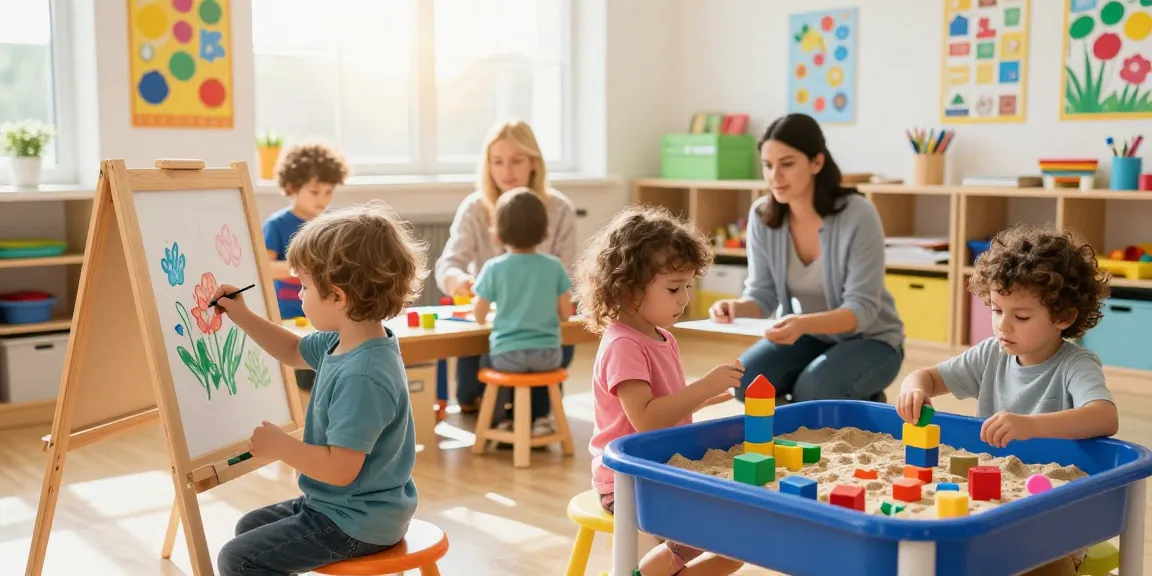
Holistic development refers to the comprehensive growth of a child, where various domains—cognitive, emotional, social, and physical—interconnect. This approach ensures that children acquire skills and knowledge that contribute to their well-being and development. For instance, when a child engages in play, they not only develop motor skills but also learn to navigate social interactions, enhancing their emotional intelligence.
Key Benefits for Children
- Enhanced Learning Experiences: Children who experience holistic development are more likely to engage deeply with learning materials.
- Improved Emotional Regulation: A focus on emotional growth helps children manage their feelings and relationships effectively.
- Social Skills Acquisition: Through group activities and play, children develop vital social competencies, preparing them for future interpersonal interactions.
- Creativity and Problem-Solving: A holistic curriculum encourages children to think creatively and develop problem-solving abilities through practical experiences.
Role of Parental Involvement
Parental involvement is crucial in nurturing a child’s holistic development. Active participation from parents, whether through volunteering at school or engaging in their child's learning at home, reinforces the concepts taught at pre school. Studies have shown that children with engaged parents perform better academically and socially.
Inquiry-Based Learning: A Revolutionary Approach
Inquiry-based learning represents a paradigm shift in educational practices, particularly in early childhood settings like preschools. This approach encourages children to explore, ask questions, and participate actively in their own learning process.
Defining Inquiry-Based Learning
Inquiry-based learning is an educational strategy where children learn by investigating and exploring topics of interest rather than passively receiving information. Educators facilitate this process by providing tools and guidance, allowing children to lead their own educational journey.
Benefits Over Traditional Education
- Deeper Understanding: Children retain information longer when they discover it through exploration rather than memorization.
- Critical Thinking Skills: Inquiry-based learning fosters critical thinking as children learn to analyze information, draw conclusions, and solve problems.
- Enhanced Engagement: Children are more motivated to learn when they have control over their educational experiences.
Implementing Inquiry Techniques in the Classroom
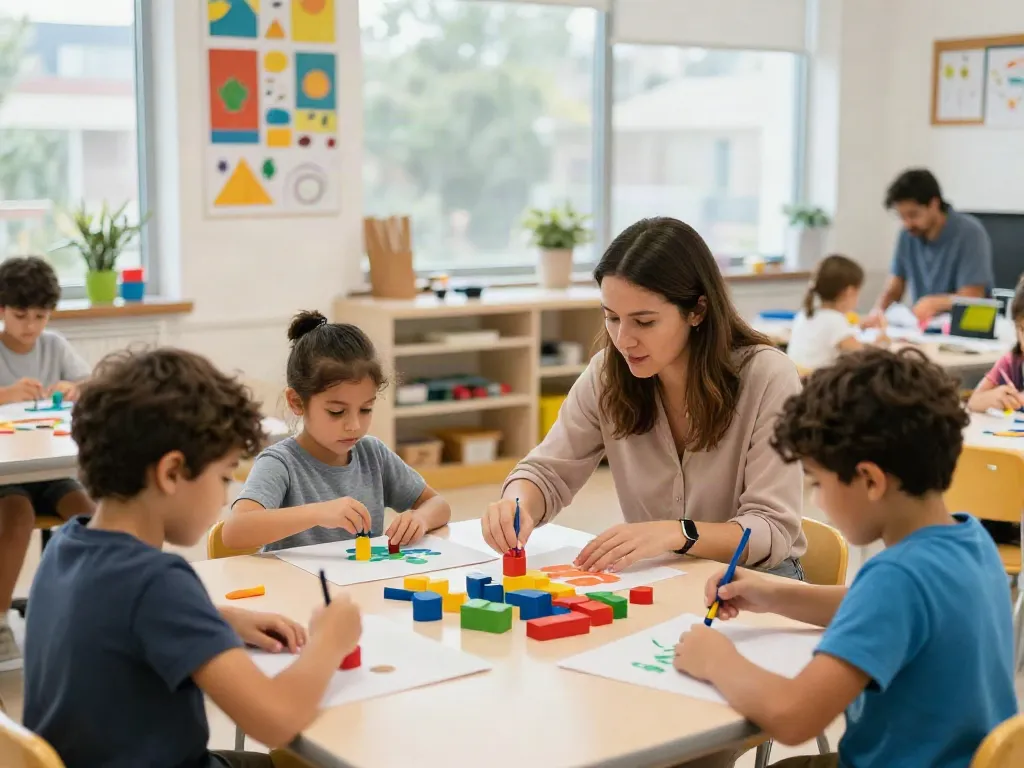
To implement inquiry-based learning, teachers can create learning environments that encourage questions and explorations. This may include hands-on activities, group projects, and individual research opportunities. Such settings stimulate children’s natural curiosity and lead to meaningful learning experiences.
Creating a Conducive Learning Environment
A supportive learning environment is fundamental to fostering positive educational outcomes. In Singapore, quality pre schools understand the significance of space, resources, and atmosphere in enhancing children's learning experiences.
Elements of an Interactive Classroom
- Flexible Seating Arrangements: Allowing children to choose where and how they learn promotes independence and comfort.
- Diverse Learning Resources: Technology, books, and art supplies provide children with varied options to engage with the curriculum.
- Encouraging Walls: Displays of children’s work and educational materials stimulate interest and provoke thought.
Indoor vs. Outdoor Learning Spaces
Both indoor and outdoor learning spaces are vital for a balanced educational experience. Outdoor activities promote physical health and environmental awareness, while indoor classrooms provide a structured environment for focused learning. Well-rounded preschools in Singapore blend both environments to enhance experiential learning.
Safety and Comfort in Pre Schools in Singapore
Ensuring safety and comfort in preschool settings is paramount. This includes child-proofing facilities, maintaining cleanliness, and fostering a welcoming atmosphere. When children feel safe and comfortable, they are more likely to participate actively in their learning experiences.
Teacher-Child Ratio and Its Impact
A low teacher-child ratio is a critical factor in the quality of preschool education. This ratio directly influences the level of individual attention each child receives, which can significantly affect their development and learning outcomes.
Understanding Teacher-Child Ratios
The teacher-child ratio refers to the number of children assigned to a single teacher. Recommended ratios vary by age group; for instance, younger children require lower ratios to ensure they receive adequate support and supervision.
Benefits of Low Ratios for Learning
- Personalized Attention: Fewer children per teacher allows for tailored instruction that meets individual learning needs.
- Stronger Relationships: Children can build trusting relationships with educators, fostering a secure learning environment.
- Better Classroom Management: Lower ratios lead to fewer behavioral issues and a more productive classroom atmosphere.
Strategies for Effective Teacher Engagement
Teachers should be trained to engage students effectively, providing them with tools to foster inquiry and exploration. Ongoing professional development ensures that educators remain informed about best practices and evolving educational strategies.
Future Trends in Early Childhood Education
As we look forward to 2026, several trends are emerging in early childhood education that could shape how preschools operate and educate children. Staying informed about these trends helps educators and parents prepare children for a rapidly changing world.
Emerging Learning Technologies in 2026
Advancements in technology will continue to influence early childhood education. Interactive learning platforms and virtual reality experiences are expected to become increasingly prevalent, providing children with immersive learning opportunities.
Focus on Diversity and Inclusion
Diversity and inclusion will remain essential components of preschool education. Programs that expose children to various cultures and perspectives help cultivate empathy and understanding from an early age, preparing them for a globalized world.
Preparing Children for a Globalized World
With globalization becoming more pronounced, preschools must nurture skills that prepare children for future citizenship. Emphasizing collaborative skills, cultural competence, and adaptability will empower children to thrive in diverse environments.
What should I look for in pre schools in Singapore?
When evaluating preschools, parents should consider factors such as the curriculum, teacher qualifications, safety measures, and the school's teaching philosophy. Engaging with a variety of schools can help parents make informed decisions.
How does inquiry-based learning compare to traditional methods?
Inquiry-based learning differs significantly from traditional methods. While traditional education often focuses on rote memorization, inquiry-based education fosters critical thinking and active engagement, leading to a deeper understanding of concepts.
What benefits does a low teacher-child ratio provide?
A low teacher-child ratio offers numerous advantages, including personalized learning experiences, stronger relationships between teachers and students, and improved classroom management, contributing to overall better educational outcomes.
How can parents support their child's preschool education?
Parents can support their child's preschool education by participating in school activities, communicating regularly with teachers, and providing enriching experiences at home that align with the school curriculum.
What are the latest trends in preschool education for 2026?
As we approach 2026, trends such as the integration of technology in learning, emphasis on diversity, and the focus on social-emotional skills are becoming increasingly important in shaping preschool curriculums.