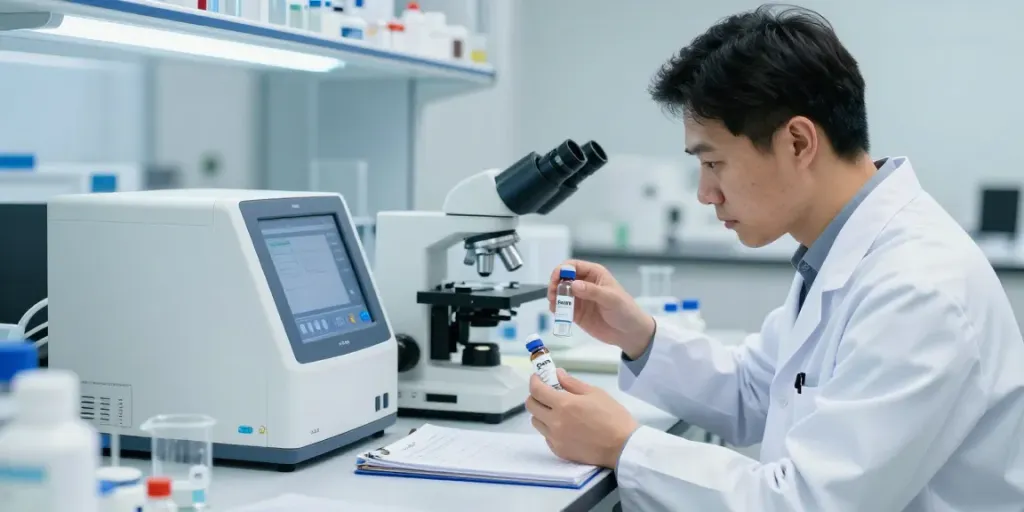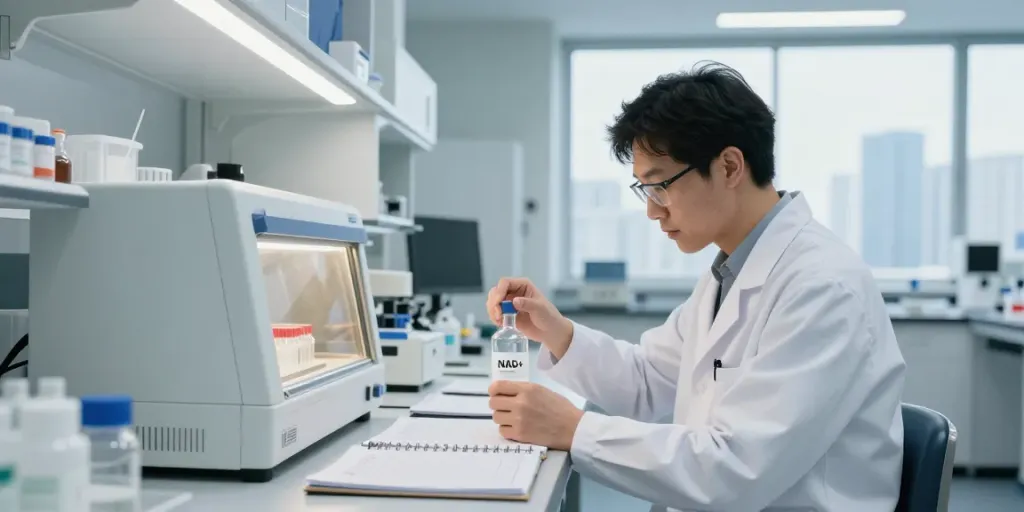
Understanding NAD+ and Its Importance
Nicotinamide adenine dinucleotide (NAD+) is a coenzyme essential for various biological processes. This naturally occurring molecule plays a crucial role in cellular metabolism and energy production, making it a focal point in biochemistry research. For researchers seeking quality materials, finding a reliable source of nad research compound for sale is pivotal in ensuring the integrity and success of their investigations.
What is NAD+?
NAD+ is a dinucleotide formed from two nucleotides: one containing adenine and the other containing nicotinamide. It is found in every living cell, where it plays a dual role in cellular respiration and metabolic pathways. As a coenzyme, NAD+ is crucial for transporting electrons in the electron transport chain, facilitating the conversion of food into cellular energy (ATP).
Role of NAD+ in Cellular Processes
The functions of NAD+ extend beyond energy production. It is involved in redox reactions, helping to regulate metabolic processes such as glycolysis and the Krebs cycle. NAD+ also acts as a substrate for enzymes known as sirtuins, which play vital roles in gene expression, aging, and stress responses. This multifaceted role makes NAD+ a critical molecule for maintaining cellular health and longevity.
Significance of NAD+ in Research
The importance of NAD+ in research cannot be overstated. It serves as a key indicator of cellular health and metabolic function. Studies continue to explore its potential implications in age-related diseases, metabolic disorders, and even neurodegenerative conditions. Thus, researchers focusing on NAD+ must ensure they use high-quality compounds that can yield reliable results.
Choosing Quality NAD+ Compounds
When it comes to selecting NAD+ compounds for research, several key factors come into play. Researchers must consider purity, testing standards, and vendor reputation.
Purity Levels in Research Compounds
The purity of NAD+ compounds is critical. High-quality NAD+ should have a purity level of 99% or higher. Impurities can significantly affect experimental outcomes, leading to data variability. Therefore, it is essential to select vendors who provide comprehensive Certificates of Analysis (CoA) that detail the purity levels and any tested contaminants.
Importance of Third-Party Testing
Third-party testing is a cornerstone for ensuring the quality of research compounds. Independent laboratories analyze NAD+ samples for heavy metals, endotoxins, and other potential contaminants. This rigorous testing process enhances transparency, allowing researchers to trust the materials they are using. Always opt for suppliers that offer CoAs accessible online for each batch of NAD+ purchased.
Comparing Vendors: Quality vs. Price
While price is often a significant factor in purchasing decisions, compromising on quality for cost can lead to detrimental consequences during research. It is vital to compare vendors based not just on price but also on quality assurances and testing protocols. Reading customer reviews and assessing the vendor's reputation within the research community can also guide purchasing decisions.
Best Practices for Handling NAD+ Compounds
Handling NAD+ compounds requires diligence to maintain their efficacy. Proper storage and usage guidelines are essential for preserving the integrity of these research materials.
Proper Storage Conditions
NAD+ compounds should be stored in a cool, dry place, away from direct sunlight. Lyophilized powders should remain sealed until use to prevent moisture absorption. Once reconstituted, solutions should be used promptly or stored at recommended refrigeration temperatures to maintain stability.
Handling and Usage Guidelines
When preparing NAD+ for experiments, researchers should use gloves and sterile techniques to minimize contamination risks. Ensuring that all utensils and storage vials are sterilized can help preserve the compound's purity. It is also advisable to document each step taken during sample preparation and usage to maintain thorough records for reproducibility.
Documenting Your Research Procedures
Keeping accurate records of all procedures related to NAD+ research not only ensures compliance with best practices but also enhances the reproducibility of experiments. Detailed documentation should include the batch number of the NAD+ used, experimental conditions, and any deviations from protocols. This information is invaluable for peer review and understanding the context of research findings.
Future Trends in NAD+ Research
The field of NAD+ research is rapidly evolving, with promising developments on the horizon. As understanding of this coenzyme deepens, its applications in various scientific domains are becoming clearer.
Emerging Applications of NAD+ in Medicine
NAD+ is being studied for its potential therapeutic applications in a range of health conditions, including metabolic syndrome, neurodegenerative diseases, and age-related decline. Its role in cellular repair mechanisms and energy metabolism positions it as a potential target for developing novel treatments aimed at enhancing healthspan and lifespan.
Innovations in NAD+ Delivery Methods
Research is ongoing into new delivery methods for NAD+ supplementation. Innovative approaches, including liposomal delivery systems and injectable formulations, aim to improve bioavailability and clinical efficacy. Such advancements could play a significant role in clinical applications, particularly in treating conditions linked to NAD+ deficiency.
Predictions for NAD+ Research by 2026
By 2026, it is expected that NAD+ research will continue to expand, with burgeoning interest from both academic and pharmaceutical sectors. As techniques for measuring NAD+ levels in vivo become more sophisticated, researchers will gain further insights into its role in health and disease, potentially leading to groundbreaking therapeutic innovations.
FAQs About NAD+ Research Compounds
What are the main benefits of NAD+ in research?
NAD+ serves as a vital coenzyme in energy production, making it essential for understanding metabolic processes. Its role in cellular repair and gene regulation also makes it a focus in research related to aging and disease prevention.
How can I ensure the integrity of my NAD+ samples?
To ensure integrity, maintain proper storage conditions, perform third-party testing, and adhere to strict handling protocols. Always use certified compounds from reputable vendors to minimize contamination risks.
What should I look for in a Certificate of Analysis?
A Certificate of Analysis should include the compound's purity, batch number, identification of contaminants, and details of the third-party testing process. This document is crucial for validating the quality and reliability of your NAD+ samples.
Can NAD+ compounds be used in clinical settings?
While NAD+ compounds are primarily used for research purposes, emerging evidence suggests potential clinical applications. However, regulatory approval and comprehensive clinical trials would be necessary before any clinical use.
What are the regulations around purchasing NAD+ compounds?
Purchasing NAD+ compounds is subject to regulations governing research chemicals. They are intended for laboratory research only and not for human consumption. It's imperative to comply with local and federal regulations when acquiring these substances for research purposes.