Understanding Facial Age Estimation Technology
In an age where technology intertwines seamlessly with everyday life, the concept of estimating one's age through facial analysis has garnered significant interest. The phrase "how old do I look" encapsulates this curiosity, prompting many to seek out tools and applications that can provide insights based on mere photographs. As we delve into this fascinating realm, it’s crucial to understand the technology behind these estimating tools, their accuracy, and the experiences they offer to users.
What Does "How Old Do I Look" Mean?
The phrase "how old do I look" serves as more than just a casual inquiry about one’s appearance; it signifies a growing trend where individuals seek validation of their perceived age. Various platforms allow users to upload photos and receive feedback on how their facial features correspond to different age ranges. This process taps into societal standards of beauty and the desire for youthfulness. By evaluating skin elasticity, wrinkles, and other features, these tools aim to offer a quick analysis of your perceived age.
How AI Analyzes Your Facial Features
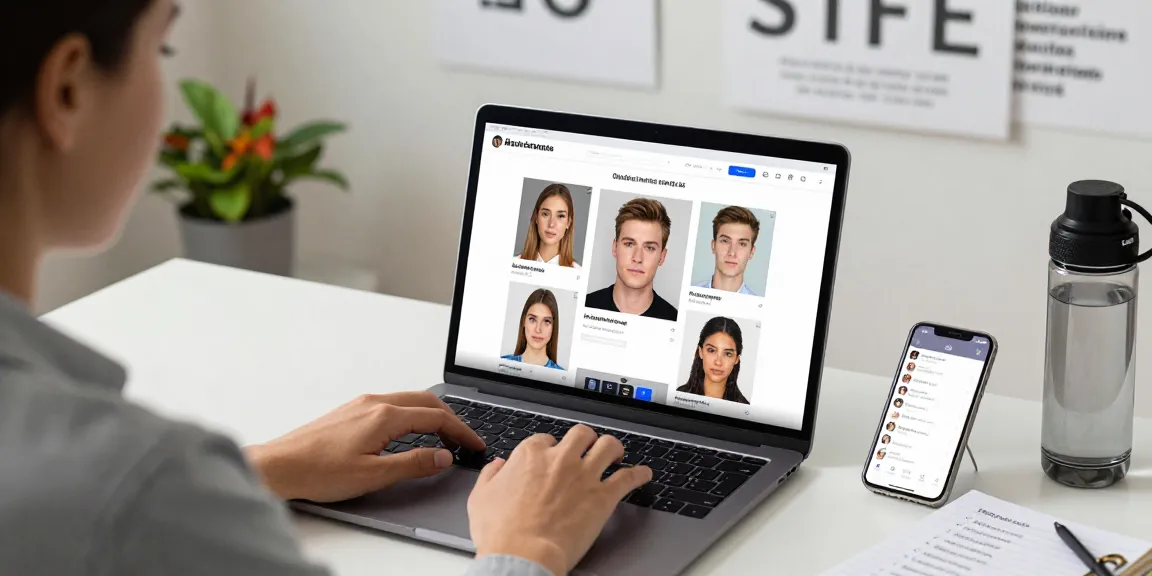
Modern age estimation tools leverage complex algorithms powered by artificial intelligence. These tools analyze facial landmarks, such as the eyes, mouth, and contours of the face, as well as skin characteristics to predict age. By training machine learning models on vast datasets of images categorized by age, AI can generate a fairly accurate estimate. For instance, platforms like how old do I look utilize advanced AI-driven analysis to predict biological age based on user-submitted photos, providing a fun yet insightful experience.
Common Misconceptions About Age Estimation
Despite their popularity, many misconceptions cloud the understanding of age estimation technologies. One common fallacy is the assumption that these tools are infallible. While they can provide interesting insights, factors such as image quality, lighting, and even individual facial expressions can significantly alter results. It's also essential to recognize that these tools are not medical devices; they cannot determine one’s actual biological age or state of health.
Realistic Expectations: How Accurate Are Age Estimators?
As users embark on their journey to discover how old they appear, it is crucial to set realistic expectations regarding the accuracy of age estimators. While these tools can give a general idea, various elements can influence their reliability.
Factors Influencing Age Perception
Age perception is a multifaceted concept influenced by numerous factors. Genetics play a significant role; some individuals naturally exhibit signs of aging sooner than others. Lifestyle choices, such as smoking, diet, and sun exposure, also impact how old a person appears. Moreover, cultural perceptions of beauty and youth can skew one’s interpretation of age, leading to varied expectations when using age estimation tools.
The Role of Lighting and Angles
When submitting a photo for age estimation, the lighting and angle can greatly affect the outcome. Bright, even lighting tends to provide a clearer view of the facial features, potentially leading to a more accurate analysis. Conversely, poor lighting or unflattering angles can obscure details and produce misleading results, causing users to question the tool's reliability.
Understanding Variability in Results
It's important to understand that variability in results is commonplace among different age estimation platforms. While some might yield consistent outcomes across users, others may vary due to the underlying algorithms or training data. Users should approach the results with an open mind, understanding that these estimations are largely for entertainment and self-reflection, rather than definitive assessments.
Improving Your Experience with Age Estimation Tools
To enhance your experience with age estimation tools, consider the following strategies that can lead to more satisfying results.
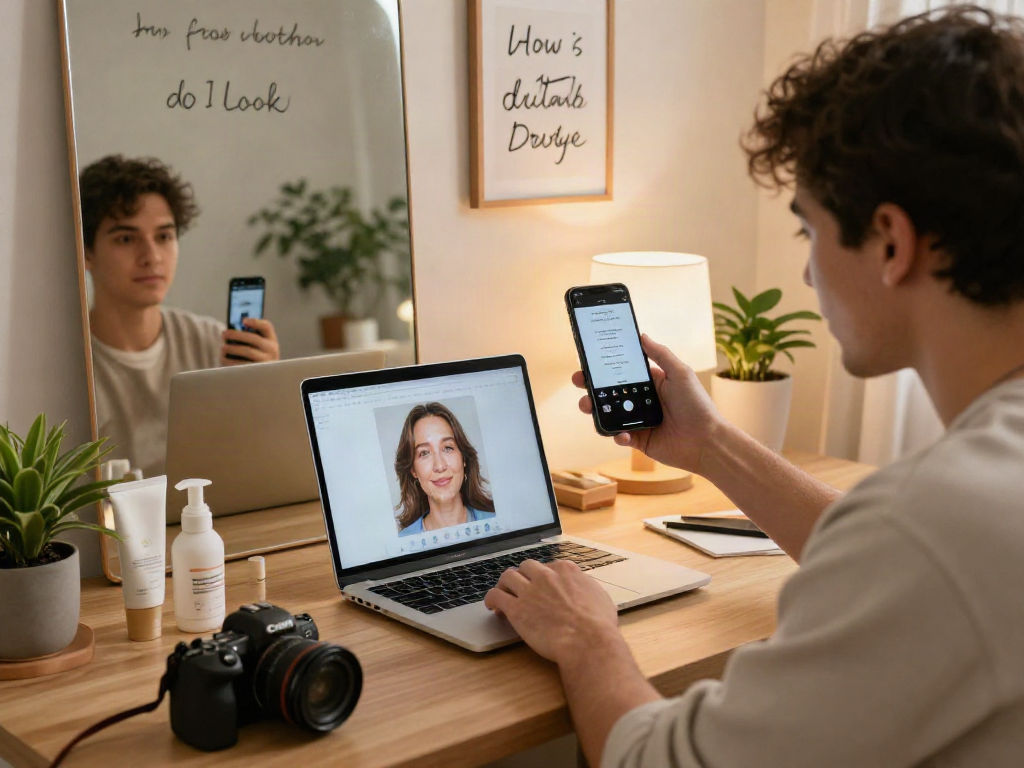
Tips for Optimal Photo Submission
- Choose High-Quality Images: Opt for clear, high-resolution photos taken in good lighting.
- Neutral Expressions: Maintain a neutral facial expression to avoid distorting age perception.
- Avoid Filters: Submit unedited photos to ensure accurate age analysis.
Best Practices for Skin Preparation
Skin condition can heavily influence perceived age. Following a dedicated skin care routine can enhance your appearance before capturing a photo for analysis. Consider the following practices:
- Hydrate: Drink plenty of water to keep skin plump and healthy.
- Moisturize: Use a quality moisturizer to reduce dryness and smooth fine lines.
- Sunscreen: Protect your skin from UV damage, which accelerates aging.
Choosing the Right Platform for Analysis
Selecting the appropriate platform for age estimation is crucial. Look for services that utilize advanced AI and provide privacy assurances. Reading user reviews and understanding the algorithms behind the tools can help guide your decision, ensuring you choose one that aligns with your expectations and privacy concerns.
Exploring Age-Related Skin Care and Beauty
As technology advances, so does our understanding of skin care and its impact on perceived age. Comprehensive skin care routines can significantly influence how old one appears, showcasing ways to enhance beauty effectively.
How Skincare Can Influence Perceived Age
Adopting a skincare regimen tailored to your skin type can improve overall appearance and potentially reduce perceived age. Ingredients such as retinol, hyaluronic acid, and antioxidants are known to promote skin health and elasticity, making a significant difference in how others perceive your age.
The Impact of Makeup on Age Perception
Makeup choices can greatly influence age perception. For instance, certain application techniques, like highlighting and contouring, can enhance or soften facial features, altering how young or old one appears. Additionally, selecting age-appropriate makeup products—such as lightweight foundations and hydrating formulas—can enhance skin’s natural beauty.
Age-Defying Techniques and Tips
Incorporating age-defying techniques into your routine can foster a more youthful appearance. Here are some strategies:
- Regular Exercise: Staying active improves circulation and contributes to a healthier, more vibrant appearance.
- Healthy Diet: Consuming a balanced diet rich in fruits, vegetables, and healthy fats can promote glowing skin.
- Stress Management: Reducing stress through mindfulness, yoga, or other techniques can minimize its aging effects on the skin.
Future Trends in AI Age Estimation for 2026 and Beyond
As technological advancements continue to evolve, the future of AI age estimation reflects exciting possibilities for 2026 and beyond.
Emerging Technologies in Facial Analysis
Innovations in machine learning and computer vision are expected to enhance the accuracy and reliability of age estimation tools. Future algorithms may incorporate a broader range of variables, including lifestyle data and environmental factors, leading to more personalized assessments. Additionally, the integration of augmented reality (AR) could allow users to visualize their aging process in real time, offering even deeper insights into their perceived age.
Potential Changes in User Expectations
As users become more aware of the limitations and capabilities of these tools, their expectations will likely evolve. Future users may seek not only fun and quick assessments but also educational insights into their facial health and personalized recommendations for skin care. This shift could drive platforms to develop more comprehensive features catering to these emerging needs.
Ethical Considerations in Facial Age Recognition
As the technology for facial age recognition grows increasingly sophisticated, ethical considerations surrounding privacy and consent become paramount. Developers must prioritize user data security and transparency, ensuring that users are aware of how their data is utilized. As awareness and regulations surrounding data privacy expand, it becomes essential for platforms to adopt best practices that protect user rights.
What are the most common factors in age estimation?
Common factors influencing age estimation include skin texture, facial structure, and environmental conditions. Users should be aware of these components when interpreting results.
How accurate are AI age detection results?
AI age detection results can vary significantly based on the algorithm used and the quality of the input image. While many tools provide a general idea, users should not rely solely on these results for definitive assessments.
What preparations should I make for best results?
To achieve optimal results, choose high-quality images, ensure good lighting, and avoid makeup or filtering that alters your natural appearance.
Are there privacy concerns with using age estimation tools?
Yes, privacy concerns are paramount. Users should always review the privacy policies of age estimation tools and ensure that their data is being handled responsibly.
How can I enhance my selfie for better age prediction?
To enhance your selfie for more accurate age prediction, ensure you have even lighting, a neutral expression, and avoid using filters. These details can greatly impact the analysis outcome.