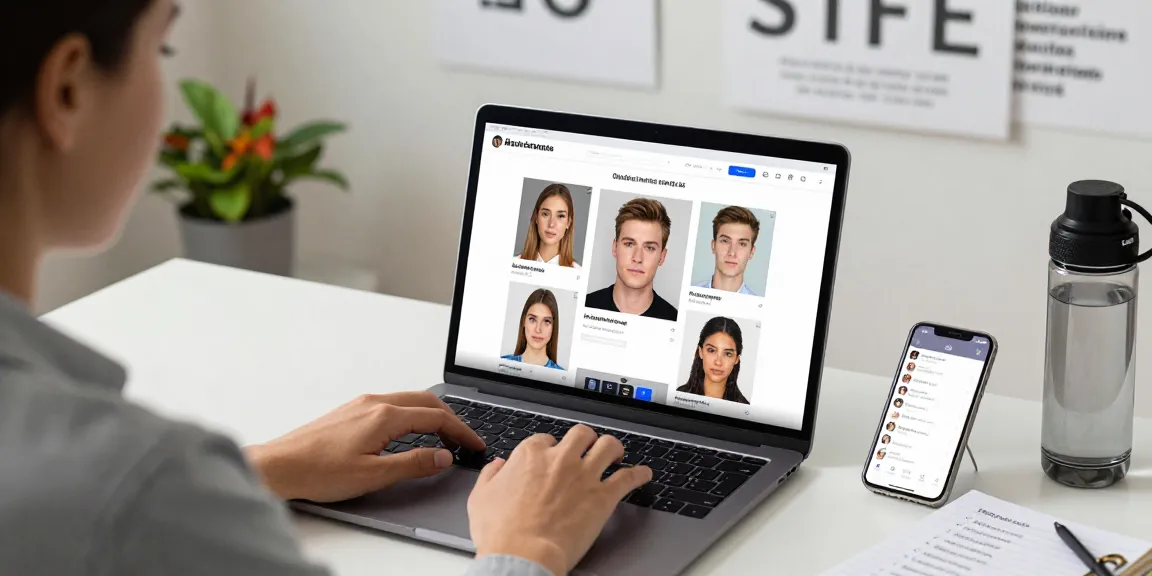
Understanding Attractiveness: The Science Behind the Test
Attractiveness has fascinated humankind for centuries, leading to countless studies and discussions about what makes certain individuals more appealing than others. The test of attractiveness has emerged as a popular method to gauge one's beauty based on scientific principles. Utilizing advanced algorithms and AI technology, these tests evaluate several facial features, providing users with a score that reflects their attractiveness based on established standards. When exploring options, test of attractiveness platforms like this offer comprehensive insights, allowing you to understand how your facial features stack up against perceived ideals.
What is the Test of Attractiveness?
The test of attractiveness is an innovative assessment tool designed to evaluate facial aesthetics. Participants upload a photo, and the system analyzes aspects such as symmetry, proportion, and overall facial harmony. This analysis is typically based on principles derived from the golden ratio and other aesthetic benchmarks. The end goal is to provide a score that reflects an individual's attractiveness on a standard scale, often from 1 to 10 or 1 to 100.
Key Factors Influencing Attractiveness Scores
Several key factors contribute to attractiveness scores, including:
- Facial Symmetry: Studies indicate that facial symmetry plays a significant role in perceived beauty. Those with symmetrical features are often rated as more attractive.
- Proportions: The golden ratio is a common standard used in beauty assessments to determine pleasing proportions among facial features.
- Skin Quality: Clear skin with even tone is often associated with youth and health, which can enhance attractiveness scores.
- Facial Features: Certain features, such as high cheekbones, well-defined jawlines, and eye shape, can influence overall scores significantly.
How AI Technology Enhances Attractiveness Testing
Artificial intelligence plays a critical role in modern attractiveness tests. By using machine learning algorithms, these tests can analyze thousands of facial images to identify patterns and correlations that define beauty standards. The AI considers various dimensions, including:
- Detection of key facial landmarks such as eyes, nose, and mouth.
- Analysis of facial attributes like facial hair, smile, and expressions.
- Comparison against a vast database of faces and established beauty norms.
User Experience: How to Take an Attractiveness Test
Taking an attractiveness test can be an enlightening experience, giving you insight into how you are perceived by others. Following a straightforward process ensures a seamless experience.
Steps to Prepare for Your Test of Attractiveness
Before you embark on your attractiveness test journey, consider these steps:
- Choose a Clear Photo: Select a high-resolution image that captures your face without distractions.
- Good Lighting: Ensure the photo is taken in well-lit conditions to show your features clearly.
- Neutral Expression: A relaxed, neutral expression will provide the best results, as exaggerated expressions can distort your score.
Understanding the Results: What They Mean
Once your attractiveness test is complete, you'll receive a score along with feedback. Understanding this score is crucial. Scores can indicate:
- Areas where you naturally excel in attractiveness.
- Facial features that may benefit from enhancement or focus.
- How your attractiveness compares to societal standards.
Common Misconceptions About Attractiveness Tests
Despite their popularity, many misconceptions surround attractiveness tests. Common myths include:
- Test Results Are Absolute: Scores are subjective and can vary based on personal and cultural perceptions of beauty.
- They Define Self-Worth: Attractiveness tests measure perceived beauty, not personal value or character.
- All Tests Are the Same: Different platforms may use varying criteria and algorithms, leading to differing results.
Interpreting Attractiveness Scores: A Comprehensive Guide
Understanding how to interpret your score can lead to meaningful insights and potential areas for improvement.
What Different Scores Indicate
Attractiveness scores often fall into different categories, which can indicate:
- Scores Below 5: May suggest that certain areas could be enhanced for increased appeal.
- Scores Between 5-7: Indicate an average score, suggesting you possess appealing traits but might benefit from minor adjustments.
- Scores Above 7: Reflect strong positive attributes aligning closely with beauty standards.
How to Use Your Attractiveness Score for Self-Improvement
Your attractiveness score can serve as a valuable tool for self-improvement. Consider the following strategies:
- Highlight Your Best Features: Focus on enhancing the traits that scored well in the test.
- Grooming and Skincare: Invest in skincare and grooming techniques to improve overall facial appearance.
- Consult Professionals: Seek advice from beauty experts, including makeup artists and skincare specialists.
Real-Life Examples: Success Stories
Many individuals have used their attractiveness test results as a springboard for improvement. For instance, a young woman who scored below average focused on her skincare routine and underwent minor cosmetic enhancements, leading to increased confidence and a significantly higher attractiveness score the next time she took the test.
Creating a Positive Body Image Through Attractiveness Scores
Attractiveness scores can impact personal body image and self-esteem significantly, both positively and negatively. Understanding this relationship is crucial for mental well-being.
The Link Between Attractiveness Scores and Self-Esteem
Research indicates that individuals who view themselves as attractive tend to have higher self-esteem. When users engage with their attractiveness scores, they may experience:
- Increased confidence from validation.
- Motivation for self-improvement.
- Potential anxiety and negativity if scores are low, necessitating a balanced perspective.
Strategies to Enhance Your Body Image
Whether your attractiveness score was what you hoped for or not, several strategies can enhance your body image:
- Practice Positive Affirmations: Regularly remind yourself of your unique qualities and strengths.
- Surround Yourself with Support: Engage with friends and communities that foster positivity and self-acceptance.
- Focus on Health, Not Just Appearance: Emphasize fitness and well-being over purely aesthetic outcomes.
Impact of Social Media on Perception of Attractiveness
Social media platforms often amplify specific beauty standards, potentially skewing perceptions of attractiveness. Users can sometimes compare themselves unfavorably against filtered images of others, leading to diminished self-worth and feelings of inadequacy. It's important to be mindful of this influence and cultivate a healthy relationship with social media.
Future Trends in Attractiveness Testing: What's Next?
As technology continues to evolve, so too will attractiveness testing methodologies. Emerging trends promise to refine our understanding of beauty and expand user engagement.
Emerging Technologies in Facial Analysis
Future advancements may include:
- More Comprehensive AI Tools: Enhanced algorithms may provide deeper insights into personality and attractiveness correlations.
- Integration of Virtual Reality: Users may experience simulated environments where they can visualize potential changes.
- Collaboration with Psychologists: Combining psychological insights with beauty assessments may yield richer, more meaningful results.
Predicted Changes in Attractiveness Testing by 2026
By 2026, we may see:
- A shift towards holistic beauty assessments that consider psychological well-being.
- Increased personalization in attractiveness tests, accounting for cultural and individual preferences.
- Wider public acceptance of beauty standards that celebrate diversity and inclusion.
How Users Can Adapt to New Trends
To remain engaged and benefit from future developments in attractiveness testing, users should:
- Stay informed about the latest technology and methodologies.
- Engage critically with their results while aiming for self-improvement.
- Practice self-compassion and understand that attractiveness is just one dimension of self-worth.
What is the test of attractiveness and how does it work?
The test of attractiveness uses a combination of algorithms and AI to analyze facial symmetry, proportions, and other aesthetic factors, ultimately producing a score that reflects perceived beauty.
Are attractiveness tests reliable and valid?
While they provide insights based on established beauty standards, their reliability may vary due to factors such as personal and cultural perceptions of attractiveness.
Can I improve my attractiveness score?
Yes, focusing on skincare, grooming, and enhancing your best features can potentially improve your attractiveness score over time.
How often should I retake the test of attractiveness?
It is advisable to retake the test after significant changes in appearance or after a dedicated period of self-improvement efforts, such as skincare or fitness routines.
What are the psychological effects of taking attractiveness tests?
Taking such tests can evoke a range of emotions, from increased confidence to anxiety about body image. It is crucial to approach them with a balanced and self-compassionate mindset.