
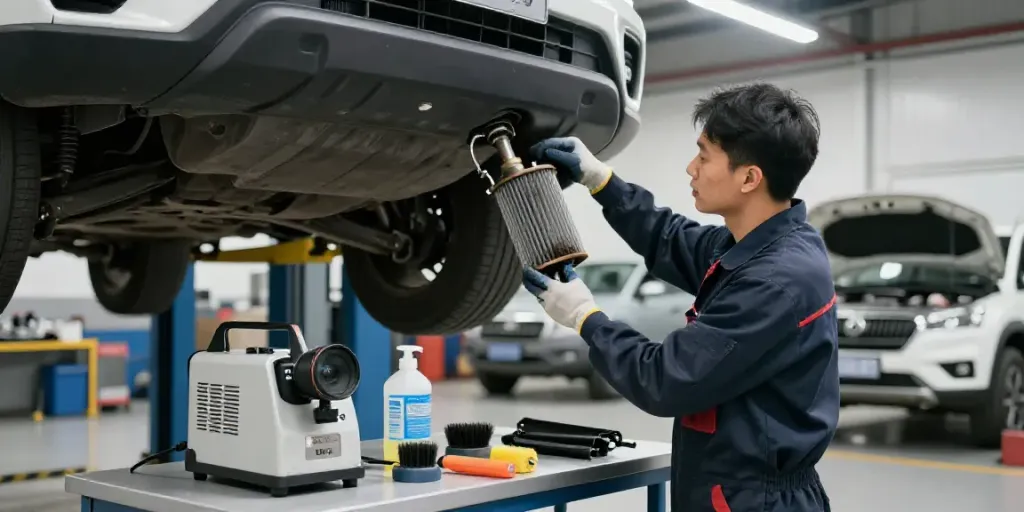
Understanding Diesel Particulate Filters
Diesel Particulate Filters (DPFs) have become a crucial component in modern diesel engines. As emissions regulations tighten, the need for effective emission control technologies has grown significantly. DPFs are designed to capture and store exhaust soot in order to reduce airborne particulates from diesel engines. Understanding how these filters work and their significance can help vehicle owners maintain their cars better. When exploring options for cleaning these essential components, dpf reinigen services provide comprehensive insights into restoring optimal performance.
What is a Diesel Particulate Filter?
A Diesel Particulate Filter is a sophisticated component installed in the exhaust system of diesel engines. Its primary function is to intercept and filter out harmful soot and particulate matter from the engine’s exhaust before it is released into the atmosphere. Typically made of ceramic or metallic materials, DPFs operate by trapping soot during normal driving conditions and subsequently burning it off during a process known as regeneration.
Importance of DPF in Modern Vehicles
The importance of DPFs cannot be overstated, especially in light of stringent environmental regulations aimed at reducing pollution. Not only do these filters help in minimizing harmful emissions, but they also enhance engine performance and fuel efficiency. A functioning DPF allows for better combustion and reduces the risk of engine damage, thus prolonging the vehicle's lifespan. Moreover, failing to maintain a DPF can lead to costly repairs and excessive emissions fines.
Common Issues with DPFs
Despite their benefits, Diesel Particulate Filters can encounter several issues. Common problems include:
- Clogging: Soot accumulation can lead to serious blockages, causing the engine to lose power and efficiency.
- Faulty Sensors: Sensors that monitor the DPF's condition may malfunction, leading to improper regeneration cycles.
- Excessive Regeneration: Frequent regeneration attempts can increase fuel consumption and cause additional stress on the engine.
- Temperature Issues: Insufficient temperature during regeneration can prevent the filter from effectively burning off soot, leading to clogging.
DPF Cleaning Methods Explained
Maintaining a clean and efficient DPF is critical for any diesel vehicle owner. Several cleaning methods exist, each with its advantages and disadvantages. Understanding these methods can help in deciding the best approach to DPF maintenance.
Manual vs. Automated DPF Cleaning
There are two primary methods for DPF cleaning: manual and automated. Manual cleaning typically involves the removal of the filter from the vehicle for a thorough cleaning, often utilizing air pressure or chemical solutions. In contrast, automated cleaning processes use specialized machines that can clean DPFs without removal. Automated services are generally quicker and can be performed while the vehicle is still in service.
Chemical Cleaning Techniques
Chemical cleaning has emerged as an effective way to maintain DPF functionality. This process usually involves the use of specialized chemical solutions designed to break down and remove soot and ash from the filter. It's crucial to select high-quality chemicals that are compatible with the specific DPF model to avoid any damage.
Best Practices for Effective DPF Cleaning
To achieve optimal results from DPF cleaning, consider the following best practices:
- Regular Maintenance: Schedule routine checks and cleanings to prevent major build-up.
- Professional Services: Engage with professionals who can provide thorough cleaning and diagnostics for problematic filters.
- Monitor Driving Patterns: Alter driving habits to ensure the DPF goes through proper regeneration cycles.
- Use Quality Fuels: High-quality diesel can reduce the amount of soot produced, aiding overall DPF maintenance.
DIY DPF Reinigen: Step-by-Step Guide
For those inclined to tackle DPF cleaning themselves, a DIY approach can save money. However, it requires careful planning and understanding of the process.
Essential Tools and Equipment
Before starting, gather the necessary tools and equipment:
- Protective gloves and goggles
- Compressed air source
- Appropriate cleaning chemicals
- Basic hand tools for vehicle parts removal
- Vacuum for ash removal
Safety Precautions During the Cleaning Process
Safety should be your top priority. Ensure proper ventilation, wear protective gear, and follow all instructions on chemical products to avoid injuries. Additionally, work in a well-lit area and remove any flammable materials nearby.
Common Mistakes to Avoid
While cleaning a DPF, avoid these common pitfalls:
- Using Harsh Chemicals: Some chemicals can damage the filter or leave harmful residues.
- Skipping Regeneration: Always ensure the DPF has been properly regenerated before cleaning.
- Neglecting the Vehicle Manual: Refer to the vehicle manual for specific cleaning instructions and guidelines.
Professional DPF Cleaning Services
If DIY cleaning seems daunting, professional DPF cleaning services are available. These services often use advanced technologies and proven methods to ensure the DPF is cleaned effectively.
When to Consider Hiring a Professional?
Hiring a professional is advisable if:
- You lack the necessary tools or expertise to perform the cleaning.
- The DPF is severely clogged and requires specialized equipment.
- You encounter repeated issues with the DPF after attempts at DIY cleaning.
What to Look for in a DPF Cleaning Service
When selecting a professional service, consider the following:
- Experience: Choose a provider with a strong track record in DPF cleaning.
- Technology: Ensure they use modern equipment and techniques for cleaning.
- Reputation: Look for reviews and testimonials from previous customers.
- Warranty: A good service often provides a warranty on the cleaning work performed.
Cost Analysis: DIY vs. Professional Cleaning
The cost of DPF cleaning can vary significantly. DIY cleaning might require an initial investment in tools and products, while professional services may charge a flat fee. Ultimately, the choice depends on the specific condition of the DPF and the resources available to the vehicle owner.
Future Trends in DPF Technology
As emissions standards evolve, so will the technology surrounding Diesel Particulate Filters. Staying informed about the latest trends can provide significant advantages to vehicle owners.
Innovations in DPF Cleaning Techniques
Emerging technologies, such as ultrasonic cleaning and more efficient chemical solutions, are set to revolutionize DPF maintenance. These innovations promise to provide deeper cleaning and reduce the time required for servicing.
The Impact of Emission Regulations
As governments worldwide impose stricter emission regulations, the technology behind DPFs will need to advance. This includes enhancing filtration efficiency and developing systems that can better cope with higher exhaust temperatures.
What to Expect in 2026 and Beyond
By 2026, we can anticipate significant advancements in DPF technology. Innovations may include self-cleaning filters and integrated monitoring systems that provide real-time feedback on the filter's condition and cleaning needs.
How Will DPF Technology Evolve?
Future DPF technologies are likely to focus on sustainability, combining filtration with waste-to-energy processes. This could not only improve emissions control but also provide alternative energy sources.
Best Practices for Maintaining DPFs for Longevity
To ensure the longevity and efficiency of DPFs, vehicle owners should follow best practices such as:
- Regular check-ups and servicing
- Keeping an eye on warning lights related to DPF
- Using high-quality diesel fuel
- Avoiding frequent short trips that prevent proper DPF regeneration