An Overview of the Manaslu Trek
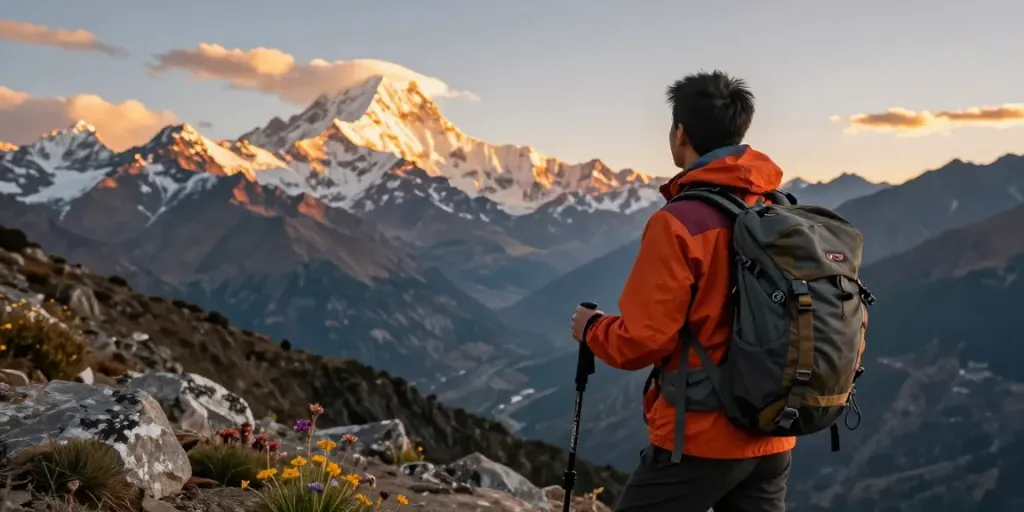
Embarking on the Manaslu Trek offers an exhilarating adventure for trekkers seeking breathtaking landscapes and rich cultural experiences. Nestled in the heart of the Nepal Himalayas, the Manaslu Circuit is not just a trek but a journey through time, connecting you with the ancient traditions of the region's diverse ethnic communities. This 15-day expedition encapsulates the raw beauty of the Himalayas, with majestic peaks, flowing rivers, and quaint villages along the way.
What Makes the Manaslu Trek Unique?
The uniqueness of the Manaslu Trek lies in its blend of seclusion, cultural richness, and stunning vistas. Unlike the more commercialized trekking routes like the Annapurna Circuit or the Everest Base Camp, Manaslu offers a less crowded experience. The trek takes you around the world’s eighth highest mountain, Mount Manaslu, and introduces trekkers to the profound Tibetan influence on local culture. This trek is perfect for those looking to dive deep into nature and engage meaningfully with local communities.
Historical Significance and Cultural Insights
The Manaslu region has a rich history intertwined with Tibetan Buddhist culture, with numerous gompas (monasteries) dotting the landscape. The trek allows you to visit important cultural sites, such as the Lho Monastery and the Pungyen Gompa, giving trekkers insights into the religious practices and daily lives of the locals. The history of the region is steeped in legends, and walking the trails gives one a sense of the ancient spiritual traditions that have flourished here for centuries.
Geography and Biodiversity of the Manaslu Region
Geographically, the Manaslu region presents a diverse tapestry of landscapes. From lush lowland forests and terraced fields to rocky high mountain paths, this trek encapsulates the varied ecological zones of Nepal. The area is rich in biodiversity, home to endangered species such as the snow leopard and the red panda, along with numerous birds and flora, many of which are endemic to the region. Trekkers will experience the dramatic transitions in landscape and wildlife as they ascend from the verdant valleys to the high-altitude passes.
Preparing for the Manaslu Trek in 2026
As you gear up for the Manaslu Trek, thorough preparation is key to ensuring a safe and enjoyable trek. Understanding logistical, physical, and gear-related aspects will enhance your trekking experience and allow you to fully appreciate the beauty of this remote region.
Essential Gear and Packing Tips
Packing the right gear is crucial for a successful trek in the Manaslu region. A layered clothing system is recommended to accommodate the varying temperatures experienced during the trek, particularly with the high-altitude environments. Essential items include a high-quality trekking backpack, waterproof jackets, durable trekking shoes, and a good sleeping bag rated for sub-zero temperatures. Don't forget trekking poles, which can be invaluable on uneven terrain.
Physical Preparation and Fitness Guidelines
The Manaslu Trek is classified as moderately challenging, requiring good physical fitness. It's advisable to engage in cardio and strength training exercises in the months leading up to your trek. Activities like hiking, running, and cycling can enhance your stamina and endurance. Moreover, acclimatization days are built into the itinerary, allowing your body to adjust to the changing altitude.
Understanding Permits and Regulations for Trekking
Trekking in the Manaslu region requires several permits, including the Manaslu Restricted Area Permit (MRAP) and the Manaslu Conservation Area Permit (MCAP). It’s essential to work with a registered trekking agency like Ace the Himalaya to ensure all necessary permits are secured prior to your ascent, as individual trekkers are not permitted to enter this region without a licensed guide.
Day-by-Day Itinerary of the Manaslu Trek
The itinerary for the Manaslu Trek offers a detailed structure to guide trekkers through this extraordinary journey, ensuring an unforgettable experience marked by stunning scenery and unique cultural encounters.
Highlights of Each Trekking Day
Each day of the Manaslu Trek presents varied landscapes and cultural highlights. For instance, the first few days will take you through lush valleys and charming Gurung villages, allowing for acclimatization while enjoying rich cultural interactions. Notable highlights include the descent to the Budi Gandaki River, the ascent to Larkya La Pass, and experiencing the vibrant life of villages like Samagaon and Samdo.
Acclimatization Strategies Along the Route
Acclimatization is vital for minimizing the risk of altitude sickness. Days are strategically placed within the itinerary for necessary acclimatization, particularly in high altitudes like Samagaon, where trekkers can explore local sites such as Birendra Lake and the Manaslu Base Camp. Proper hydration and rest are emphasized during these periods to facilitate acclimatization.
Accommodation Options During the Trek
Accommodation along the Manaslu Trek consists of traditional teahouses and lodges that offer a glimpse into local hospitality. While most locations provide twin-sharing rooms with shared facilities, expect variations in the quality and comfort of lodging, especially as you ascend to higher altitudes. Basic amenities are common, but the warm hospitality of the hosts makes every stay enjoyable.
What to Expect on the Manaslu Trek
Your trek will be as much about the unexpected as it is about breathtaking views. Here’s what you can generally anticipate as you navigate the Manaslu Circuit.
Weather Patterns and Seasonal Considerations
The best times to trek are during the spring (March to May) and autumn (September to November), when the weather is generally stable and clear, offering optimal views of the surrounding peaks. However, be prepared for rapid weather changes, especially at higher elevations, and pack appropriately to ensure comfort throughout the trek.
Culinary Delights and Food Options on the Trail
Cuisine during the trek features hearty Nepali and Tibetan dishes that provide the necessary energy for trekking. Meals often consist of dal bhat (rice and lentils), veggies, and noodles, with abundant use of garlic to aid acclimatization. Each meal typically includes a hot beverage, providing comfort during colder evenings.
Challenges and Safety Measures While Trekking
Trekkers should be aware of potential challenges such as high altitude and varying weather conditions. It’s crucial to adhere to safety protocols, including maintaining hydration and recognizing the signs of altitude sickness. Guides are trained in first aid and carry communication devices to ensure timely responses in emergencies.
Local Communities and Cultural Experiences
Engaging with local cultures enriches the trekking experience and fosters a deeper understanding of the region.
Engaging with the Gurung and Tibetan Cultures
The trekkers will encounter the Gurung and Tibetan communities throughout the journey. Engaging with locals provides insights into traditional lifestyles, including farming, handicrafts, and religious practices that have persisted over generations.
Visiting Monasteries and Local Festivals
As you traverse the trails, you'll have the opportunity to visit ancient monasteries where you can witness local religious practices. There may also be chances to participate in local festivals, which are vibrant celebrations that reflect the rich cultural heritage of the region.
Ecotourism and Responsible Trekking Practices
Given the increasing popularity of trekking in the Manaslu region, ecotourism and responsible travel practices are vital to preserving the delicate environment and local cultures. It’s essential for trekkers to adhere to Leave No Trace principles and respect the traditions and practices of the communities visited.
How to Choose the Right Trekking Company?
Choosing a reputable trekking company is crucial for a successful experience. Look for agencies with positive reviews, transparent pricing, experienced guides, and a commitment to safety and sustainability. Engaging local guides also enhances the trekking experience by providing cultural insights and support along the trail.
Future Trends in Trekking and Tourism in Nepal
The trekking landscape in Nepal is evolving, with trends leaning towards eco-conscious travel, experiential learning, and community-based tourism. These trends aim to enhance the authenticity of experiences and benefit local communities economically while preserving cultural heritage.
Frequently Asked Questions About the Manaslu Trek
Is the Manaslu Trek Suitable for Beginners?
While the Manaslu Trek is challenging, beginners with good fitness levels can complete it with proper preparation and paced acclimatization. Having a licensed guide is essential for ensuring safety and guidance, especially for less experienced trekkers.
What Should I Pack for the Manaslu Trek?
Essentials include layered clothing, trekking footwear, a good quality sleeping bag, and gear for varying weather conditions. Also, pack hydration systems and personal items that can make the trek enjoyable.
Can I Trek Solo on the Manaslu Circuit?
Solo trekking is not allowed on the Manaslu circuit due to regulations requiring trekkers to be accompanied by a licensed guide. This policy is in place to ensure safety and proper navigation through the remote areas of the region.