Understanding Hair Transplant Procedures
As hair loss becomes a prevalent concern for many individuals, the demand for hair transplant procedures has surged. Turkey has emerged as a leading destination for those seeking effective solutions to restore their hair. The country's advanced medical facilities, experienced professionals, and affordable pricing make it an appealing option. Understanding the nuances of the hair transplant turkey cost is essential for potential patients, as it helps in making an informed decision when considering this transformative procedure.
What is a Hair Transplant?
A hair transplant is a surgical procedure that involves relocating hair follicles from a donor site, usually located at the back or sides of the head, to balding or thinning areas. This method provides a permanent solution to hair loss, offering patients natural-looking, fuller hair. The results can be life-changing, significantly improving self-esteem and confidence levels.
Types of Hair Transplant Techniques
Several techniques are employed in hair transplantation, with the two most common being Follicular Unit Extraction (FUE) and Follicular Unit Transplantation (FUT). FUE involves harvesting individual hair follicles, allowing for minimal scarring and easier recovery, while FUT involves removing a strip of scalp from the donor area, making it suitable for larger areas of hair loss. Both methods have their advantages and can be chosen based on individual needs and expectations.
Benefits of Hair Transplants in Turkey
Turkey is renowned for its high-quality hair transplant services, offering numerous advantages:
- Affordability: The cost of hair transplants in Turkey is significantly lower compared to many Western countries, making it accessible for a broader audience.
- Expertise: Turkish clinics often employ highly skilled surgeons with extensive experience in hair restoration techniques.
- State-of-the-art technology: Many clinics in Turkey utilize cutting-edge technology, ensuring optimal results and patient safety.
- Comprehensive packages: Patients can often find all-inclusive packages that cover transportation, accommodation, and post-operative care.
The Factors Influencing Hair Transplant Turkey Cost
Cost Breakdown: Procedure vs. Additional Services
The overall cost of a hair transplant in Turkey can vary based on several factors. Primarily, the type of procedure selected (FUE or FUT) plays a significant role. Additionally, costs can include pre-operative consultations, medications, aftercare, and any additional services such as accommodation or airport transfers. Patients must consider these factors to understand the total investment involved in their hair restoration journey.
Comparing Costs: Turkey vs. Other Countries
When comparing hair transplant costs, Turkey presents a compelling case. The average price for a hair transplant in Turkey can range from $1,500 to $3,000, significantly lower than prices in the United States or Europe, where costs can exceed $10,000. This variance makes Turkey an attractive option for individuals looking to restore their hair without breaking the bank.
Insurance and Financing Options for Hair Treatments
Many health insurance policies may not cover hair transplant procedures since they are often classified as cosmetic. However, several clinics in Turkey offer financing options to make treatments more accessible. Patients can inquire about payment plans that allow for manageable monthly payments, ensuring that cost does not hinder their ability to pursue hair restoration.
Choosing the Right Clinic for Your Hair Transplant
Key Qualities to Look for in a Hair Transplant Clinic
When selecting a hair transplant clinic in Turkey, several key qualities should be considered:
- Accreditation: Ensure the clinic and surgeon are certified and recognized by relevant medical boards.
- Experience: Look for clinics with a proven track record and years of experience in hair restoration.
- Patient care: Quality clinics prioritize patient care, offering comprehensive consultations and support throughout the process.
Patient Reviews and Success Rates of Clinics
Reviews from previous patients can provide invaluable insights into a clinic's success rates and overall patient satisfaction. Look for testimonials that detail the procedure, recovery process, and final results. Clinics that are transparent about their outcomes and share before-and-after photos can build trust and confidence in their services.
Consultation Tips: What to Ask Your Doctor
During your consultation, asking the right questions can help ensure you receive the best possible care. Consider asking:
- What technique do you recommend for my hair loss?
- How many procedures have you performed?
- What are the expected results, and how long until I see them?
- What do I need to know about recovery and aftercare?
Preparing for Your Hair Transplant Journey
Pre-Procedure Considerations and Recommendations
Preparation is key to a successful hair transplant outcome. Patients should follow their surgeon's instructions regarding medications, lifestyle changes, and pre-operative assessments. Avoiding blood thinners and adhering to dietary recommendations can significantly impact the surgery's success.
Post-Procedure Care for Optimal Results
Post-operative care is crucial for achieving the best results. Patients should follow guidelines provided by their surgeon, which may include avoiding physical activities, protecting the scalp from direct sunlight, and using prescribed medications to prevent infection and promote healing.
Managing Expectations: What to Anticipate After Surgery
Understanding the timeline for hair growth after a transplant is important. While some patients may notice immediate changes, most will experience shedding of newly transplanted hairs within a few weeks, followed by gradual regrowth. Patience is key as full results can take 9-12 months to manifest.
Future Trends in Hair Restoration
Innovative Technologies in Hair Transplantation
The field of hair restoration is continuously evolving, with new technologies enhancing procedures. Robotic-assisted hair transplants are gaining popularity due to their precision and efficiency, minimizing human error and improving overall outcomes. Future advancements may include stem cell therapies and platelet-rich plasma (PRP) treatments that further enhance hair growth.
Predictions for Hair Restoration Costs in 2026
As the hair transplant industry grows, it is expected that costs will stabilize due to increased competition and advancements in techniques. While slight price increases may occur due to inflation and technological advancements, Turkey is likely to remain one of the most affordable options for hair restoration.
Emerging Best Practices in the Industry
With ongoing research and development, best practices in the hair transplant industry are continually updated. Emphasis on patient education, personalized treatment plans, and the incorporation of minimally invasive techniques are shaping the future of hair restoration.
What should I expect during a hair transplant consultation?
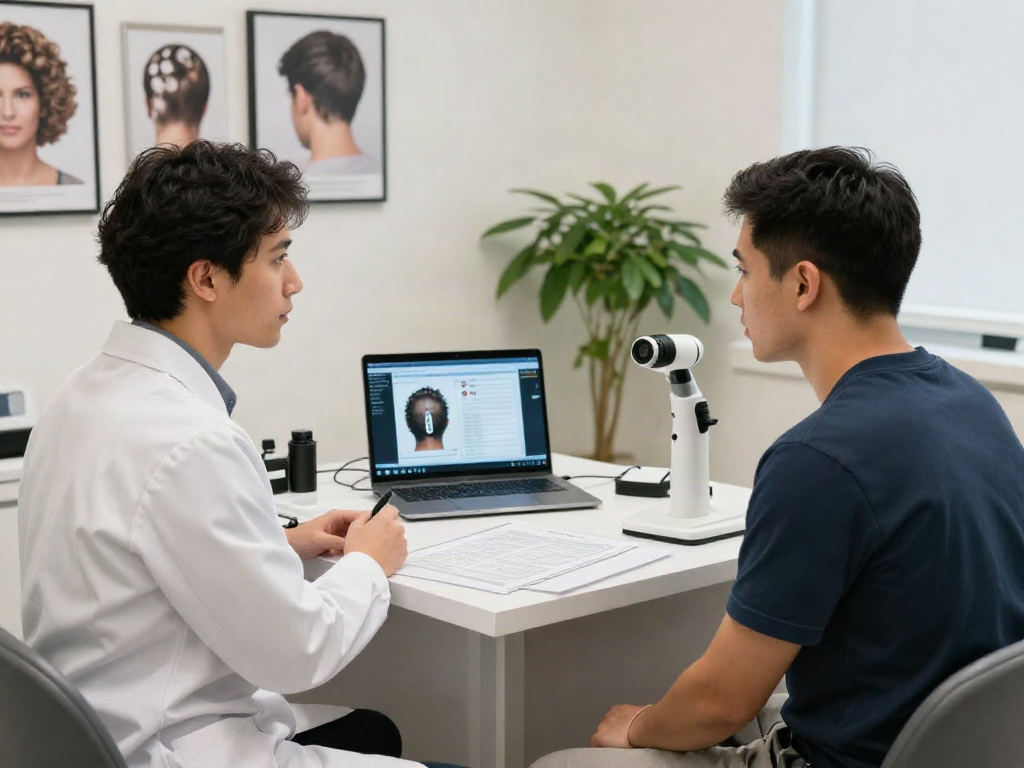
During a hair transplant consultation, expect to discuss your medical history, hair loss patterns, and desired results. The surgeon will assess your scalp and recommend the most suitable procedure for your needs.
How long does it take to see results from a hair transplant?
Most patients will begin to see visible changes within 3-6 months after the procedure, with optimal results often taking up to 12 months.
Are there risks associated with hair transplant procedures?
Like any surgical procedure, hair transplants carry risks such as infection, scarring, and unexpected results. Discuss these risks with your surgeon during the consultation to understand how they will be managed.
Can I finance my hair transplant in Turkey?
Many clinics in Turkey offer financing options to help patients manage the cost of their hair transplant. Inquire about available payment plans during your consultation.
What post-operative care is required after a hair transplant?
Post-operative care typically involves following specific instructions regarding scalp care, medications, and activities to avoid during the recovery period. Ensuring proper aftercare is essential for achieving the best possible results from your hair transplant.