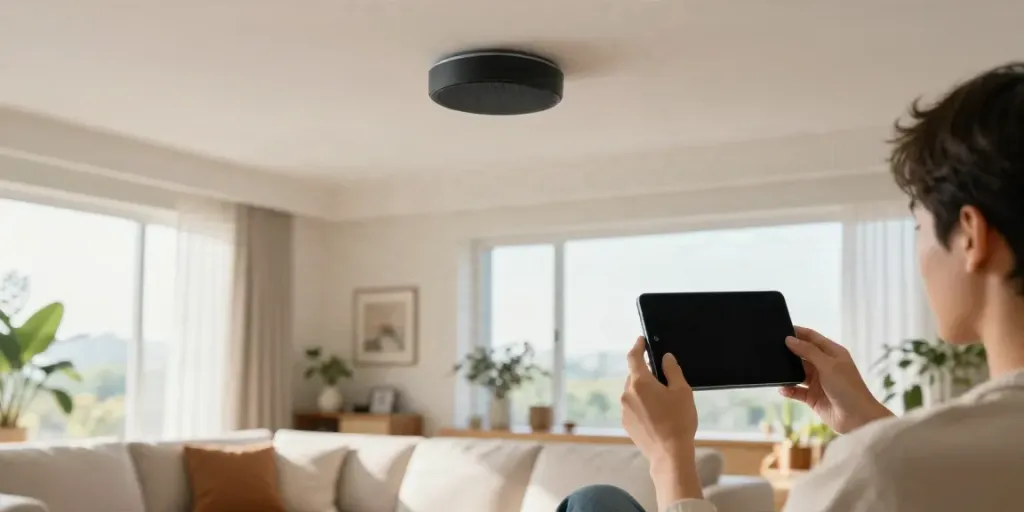
Understanding Ceiling Speakers: What You Need to Know
As audio technology continues to evolve, one of the most innovative solutions for sound distribution in homes and commercial spaces is the اسپیکر سقفی. These sleek, unobtrusive audio devices fit seamlessly into ceilings, providing a clean aesthetic while delivering high-quality sound. Whether you're hosting a party, enhancing your home theater, or creating a soothing background ambiance in a commercial environment, understanding the nuances of ceiling speakers is crucial for getting the best performance from your audio system.
What is a Ceiling Speaker?
A ceiling speaker is a type of loudspeaker that is designed to be installed directly into the ceiling. Unlike traditional floor-standing or bookshelf speakers, these devices are designed to blend into the environment, often featuring a low-profile design that eliminates bulky cabinets or visible wiring. Ceiling speakers can be used for various audio applications, including home theaters, music streaming, and multi-room audio systems. They can be wired or wireless, with smart models incorporating Bluetooth or Wi-Fi connectivity for seamless streaming from devices.
Benefits of Using Ceiling Speakers
Ceiling speakers offer numerous advantages over traditional speakers:
- Aesthetics: They provide a clean look, free from clutter, making them ideal for modern interior designs.
- Space-saving: By mounting the speakers in the ceiling, you free up floor space for other uses.
- Sound Distribution: Ceiling speakers can provide more uniform sound coverage across larger areas, reducing dead spots.
- Versatility: They can be used in various settings, from home cinemas to retail spaces, enhancing the audio experience.
Types of Ceiling Speakers Available
When shopping for ceiling speakers, you'll encounter several types, including:
- Passive Speakers: These require an external amplifier and are often preferred for higher-quality audio setups.
- Active Speakers: Built-in amplifiers eliminate the need for external equipment, simplifying setup.
- Bluetooth Ceiling Speakers: Perfect for wireless audio streaming from mobile devices without complicated wiring.
- Smart Ceiling Speakers: Integrated with smart home systems, allowing for voice control and automation features.
Choosing the Right Ceiling Speaker for Your Needs
Selecting the right ceiling speaker involves several considerations that can significantly impact audio quality and user experience. Some key factors to keep in mind include:
Key Features to Consider
Before purchasing ceiling speakers, assess the following features:
- Power Handling: Measured in watts, this indicates how much power the speaker can handle. Higher wattage typically translates to better sound output.
- Impedance: Most ceiling speakers operate at either 4 or 8 ohms. Ensure compatibility with your audio system to achieve optimal performance.
- Frequency Response: This indicates the range of sounds the speaker can reproduce. Look for a wider range for better audio quality.
- Durability: Consider the materials used in the construction of the speakers, especially for humid environments.
Installation Options: In-Ceiling vs. Surface Mount
Ceiling speakers come in two primary installation options: in-ceiling and surface-mounted. In-ceiling models require cutting a hole in the ceiling for installation, creating a flush finish that maintains the aesthetic of the room. Surface-mounted speakers, on the other hand, can be easily installed without the need for extensive modifications, making them suitable for both temporary setups and permanent installations. Your choice will depend on your preferences, the existing structure, and your willingness to modify your space.
Audio Quality and Performance Metrics
The sound quality of ceiling speakers can vary significantly across models. When evaluating performance metrics, consider:
- Sensitivity: This metric reveals how efficiently a speaker converts power into sound. Higher sensitivity ratings lead to louder audio output for a given power level.
- Driver Size: Larger drivers typically offer better bass response, while smaller drivers are more adept at reproducing midrange and high frequencies.
- Cabinet Design: The design affects sound quality and can influence how well the speaker integrates with room acoustics.
Installation and Setup: Making the Most of Your Ceiling Speaker
To achieve the best audio experience, proper installation and setup of your ceiling speakers are essential. This section outlines options for both DIY enthusiasts and those who prefer professional assistance.
DIY Installation: Step-by-Step Guide
For those who are comfortable with tools, installing ceiling speakers can be a rewarding DIY project. Here’s a basic guide:
- Gather Your Tools: You’ll need a stud finder, drywall saw, screwdriver, drill, and wire stripper.
- Plan the Layout: Determine the best locations for the speakers, ensuring they are spaced evenly and avoiding any obstructions like beams or ductwork.
- Cut the Holes: Use the drywall saw to cut openings for the speakers, following the template included with the speakers.
- Run the Wires: Fish the speaker wires through the ceiling to connect to your audio source.
- Connect the Speakers: Attach the wires to the speaker terminals, then insert the speakers into the openings and secure them in place.
Professional Installation: When to Hire an Expert
If you aren’t confident in your DIY skills or have a complex setup, hiring a professional installer may be the best option. A professional can ensure optimal placement, handle complicated wiring, and troubleshoot any issues that may arise during setup.
Troubleshooting Common Installation Issues
After installation, you may encounter some common issues:
- Sound Quality Problems: Check for proper wiring and speaker placement if the sound is lacking quality.
- Connectivity Issues: Ensure that your speakers are connected correctly to your audio system, especially with wireless options.
- Volume Imbalances: Adjust settings on your audio receiver to balance the sound across all speakers in the system.
Comparing Popular Ceiling Speaker Brands in 2026
As the market for ceiling speakers expands, several brands stand out for their innovative designs and quality. Here, we review the top players in the industry:
Top 5 Brands Reviewed
1. Bose: Renowned for exceptional audio quality and sleek design, Bose ceiling speakers integrate well into any environment.
2. Klipsch: Known for their high efficiency and robust sound, Klipsch speakers are favored among audiophiles.
3. Polk Audio: Offering great value with good sound quality, Polk provides reliable options for budget-conscious consumers.
4. JBL: Famous for their iconic sound, JBL speakers are versatile and often used in both commercial and residential applications.
5. Sonos: Best known for their smart speakers, Sonos integrates seamlessly with home automation systems and apps.
Price Ranges and Value for Money
Ceiling speakers are available at various price points, allowing consumers to choose according to their budget:
- Entry-Level: Starting around $50, these speakers provide basic audio quality suitable for casual listening.
- Mid-Range: Ranging from $100 to $300, these speakers typically offer better sound fidelity and durability.
- High-End: Priced over $300, these speakers deliver superior audio experiences and often come with advanced features.
Customer Feedback and Ratings
Customer reviews can provide valuable insights into the performance of ceiling speakers. Look for feedback on sound quality, installation ease, and customer service experiences when making your decision.
The Future of Ceiling Speakers: Trends and Innovations
As technology advances, ceiling speakers are evolving to meet modern audio needs. Here are some emerging trends that could shape the future of ceiling audio systems.
Smart Technology Integration
With the rise of smart homes, ceiling speakers are becoming increasingly integrated with home automation systems. This allows users to control their audio through voice commands, mobile apps, and smart devices, enhancing convenience and user experience.
Eco-Friendly Innovations in Audio Systems
Many manufacturers are focusing on sustainability, using eco-friendly materials in their products and packaging. This trend not only appeals to environmentally conscious consumers but also positions brands as leaders in responsible manufacturing practices.
Predicted Trends for 2027 and Beyond
The future of ceiling speakers appears bright, with expected trends including:
- Advanced Acoustic Design: Continued improvements in speaker design will enhance clarity and depth for better sound experiences.
- Increased Customization: As consumers seek personalized audio experiences, brands will offer more customizable options for speaker systems.
- Wireless Solutions: The shift towards wireless technology will reduce installation complexities and improve flexibility in speaker placement.
What are the benefits of ceiling speakers?
Ceiling speakers provide aesthetic appeal, save space, offer uniform sound distribution, and adapt well to various environments.
How do I install a ceiling speaker?
Installation involves choosing the right location, cutting openings for the speakers, running wiring, and connecting the speakers to an audio source.
Which brands are the best for ceiling speakers?
Top brands include Bose, Klipsch, Polk Audio, JBL, and Sonos, each offering unique strengths in audio quality and design.
Can I use ceiling speakers for home theater systems?
Yes, ceiling speakers can enhance home theater systems, providing immersive audio experiences that complement visual content.
What features should I look for in a ceiling speaker?
Key features to consider include power handling, impedance, sensitivity, frequency response, and durability.