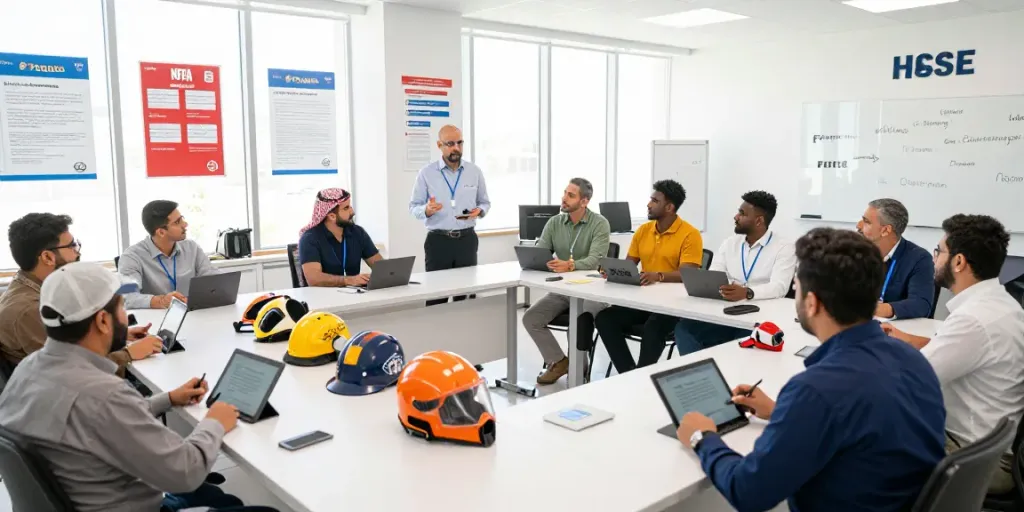
Understanding the Importance of HSE Training in Saudi Arabia
In an increasingly complex and regulated global environment, the significance of Health, Safety, and Environment (HSE) training cannot be understated. In Saudi Arabia, where industries such as oil and gas, construction, and manufacturing are prevalent, robust HSE training programs play a crucial role in enhancing workplace safety, ensuring compliance with government regulations, and promoting a culture of safety across the entire workforce. The demand for trained professionals who are knowledgeable in HSE practices is at an all-time high, making it imperative for businesses to invest in high-quality training programs. When exploring options, Training Institute Saudi Arabia provides comprehensive insights into the various courses available to meet this demand.
What Does HSE Stand For in the Context of Training?
The acronym HSE stands for Health, Safety, and Environment. In the context of training, HSE encompasses guidelines, protocols, and educational resources aimed at ensuring that employees are equipped with the necessary knowledge and skills to maintain a safe working environment. HSE training typically covers a range of topics including hazard communication, risk assessment, emergency response, and environmental management, all of which are essential for preventing workplace accidents and ensuring compliance with local and international regulations.
Government Regulations and Compliance for HSE Training
In Saudi Arabia, the government has implemented strict regulations to ensure workplace safety and health. The Ministry of Human Resources and Social Development and the Saudi Arabian Oil Company (Saudi Aramco) are key regulatory bodies that mandate specific safety training certifications for workers in high-risk industries. Training institutes that offer HSE courses must align their programs with these regulations to provide participants with skills that meet both local standards and global best practices. Compliance with these regulations not only protects workers but also helps organizations avoid legal repercussions and enhances their reputation in the market.
The Role of Training Institutes in Promoting Workplace Safety
Training institutes serve as a pivotal link between theory and practice in workplace safety. By offering accredited courses tailored to various industries, these institutes equip employees with essential skills to recognize, assess, and mitigate risks. Additionally, they play an important role in fostering a culture of continuous improvement and compliance. Industry-recognized certifications from institutions like ProQual and the National Fire Protection Association (NFPA) demonstrate an organization's commitment to safety and professionalism, which can lead to higher levels of trust from clients and stakeholders.
What to Look for in a Training Institute Saudi Arabia
Accreditation and Recognition: Why They Matter
Choosing a training institute with proper accreditation is crucial for ensuring that the training provided meets industry standards and regulatory requirements. Accredited institutes have gone through rigorous evaluation processes to demonstrate their capability to deliver quality training. In Saudi Arabia, look for institutions that are recognized by international bodies such as the NFPA or ProQual (UK), as this signifies credibility and commitment to excellence.
Course Offerings: Specialized Programs for Various Industries
Health and safety training should not be one-size-fits-all. A reputable training institute should offer a diverse range of specialized programs tailored to the specific needs of various industries. Organizations in oil and gas, construction, healthcare, and manufacturing all have unique risks and regulatory requirements. Therefore, it is essential to select an institute that provides courses like NVQ Level 6 Diploma in Occupational Health and Safety Practice, ProQual Level 7 Diploma in Strategic Health and Safety Leadership and Management, and others that suit your sector.
Instructor Qualifications: Ensuring Expertise in Health and Safety
The quality of instruction can significantly impact the effectiveness of training programs. Ensure that the instructors have relevant experience and certifications in health and safety. Their practical insights and real-world applications of safety standards can enhance the learning experience, making it more relatable and impactful for participants.
Popular HSE Courses Available in Saudi Arabia
NFPA and ProQual Certifications: An Overview
The National Fire Protection Association (NFPA) offers vital training and certification programs focusing on fire safety, emergency preparedness, and building safety standards. ProQual certifications, including the NVQ Level 6 and Level 7 diplomas, provide recognized qualifications that highlight skills in occupational health and safety practice and strategic health and safety leadership. These certifications are particularly valuable for professionals looking to advance their careers in safety management.
Occupational Health and Safety NVQs Explained
National Vocational Qualifications (NVQs) in Occupational Health and Safety provide a practical approach to training, assessing candidates on their ability to perform safety roles effectively. Programs are designed to assess competence in real-world situations, providing employers with confidence that their employees are equipped to handle safety challenges as they arise.
First Aid and Emergency Training Courses in the Kingdom
First aid training is critical for workplace safety and can often be the difference between life and death in emergency situations. Courses such as the Award in First Aid at Work (Level 3) and emergency response training ensure that employees are prepared to act swiftly and effectively in the event of an incident. These courses are not just beneficial in compliance terms; they also promote a caring workplace culture.
Flexible Learning Options: Tailoring Training to Your Needs
On-Site Training: Bringing the Classroom to Your Workplace
On-site training allows organizations to schedule training sessions that fit their timelines and specific needs. This format is especially beneficial for larger companies with many employees to train simultaneously. Customized content can be developed to address the unique challenges faced by the organization, enhancing the learning experience.
Online Learning Platforms: Achieving Certification Remotely
In today's digital world, online training platforms provide flexibility for individuals who may not be able to attend in-person classes. These platforms often include interactive modules, webinars, and video tutorials, making it easy for students to learn at their own pace. Offering remote certification options can be particularly advantageous for professionals balancing work and study, further widening access to vital safety training.
Group Discounts and Corporate Training Solutions
For organizations looking to train multiple employees, many institutes provide group discounts and tailored corporate training programs. This approach not only reduces costs but also ensures that all team members receive consistent training, which is crucial for developing a unified safety culture across the organization.
The Future of HSE Training in Saudi Arabia
Trends in Health and Safety Training: What to Expect by 2026
As the urgency for workplace safety escalates, training programs will continue evolving to incorporate new technologies and methodologies. By 2026, expect to see a rise in virtual reality (VR) and augmented reality (AR) applications in health and safety training. These technologies can simulate real-life scenarios, providing immersive experiences that prepare employees for on-the-job challenges without the associated risks.
Emerging Technologies in Training Delivery Methods
Alongside VR and AR, artificial intelligence (AI) is set to play a significant role in personalizing learning experiences in HSE training. AI can analyze learner progress, adapt training materials, and provide real-time feedback, leading to more effective training outcomes. These advances will help ensure that all employees, regardless of their background or experience, have access to training that meets their needs.
Global Standards Impacting Local Training Institutes
As international standards in health and safety evolve, local training institutes will need to adapt their programs to remain relevant. Emerging standards like ISO 45001:2018 for Occupational Health and Safety Management Systems are already influencing training content, helping organizations in Saudi Arabia align with global best practices and ensure compliance with both local and international regulations.
What are the most recognized HSE certifications in Saudi Arabia?
Some of the most recognized HSE certifications in Saudi Arabia include those provided by the National Fire Protection Association (NFPA), ProQual (UK), and various safety management certifications from the International Association of Safety Professionals (IASP). These certifications are crucial for professionals aiming to advance their careers in health and safety.
How does HSE training benefit companies in Saudi Arabia?
HSE training benefits companies by reducing workplace accidents, ensuring compliance with local and international regulations, and enhancing overall productivity. A well-trained workforce is integral to fostering a safety-focused culture, which can lead to reduced insurance costs and increased employee morale.
Is online HSE training effective compared to traditional methods?
Online HSE training can be as effective as traditional methods, provided it is designed thoughtfully. Engaging content, interactive assessments, and access to experienced instructors can help replicate the effectiveness of in-person classes, making it a viable option for many professionals.
What industries require HSE training in Saudi Arabia?
Industries that require HSE training in Saudi Arabia include oil and gas, construction, manufacturing, healthcare, and logistics. Each industry has specific risks and regulatory requirements, making tailored training essential for compliance and safety.
How do I choose the best training institute for my needs?
To choose the best training institute, consider factors such as accreditation, course offerings, instructor expertise, and reviews from past participants. Additionally, assess whether the institute provides flexible training options that can fit your schedule and learning preferences.